In short:
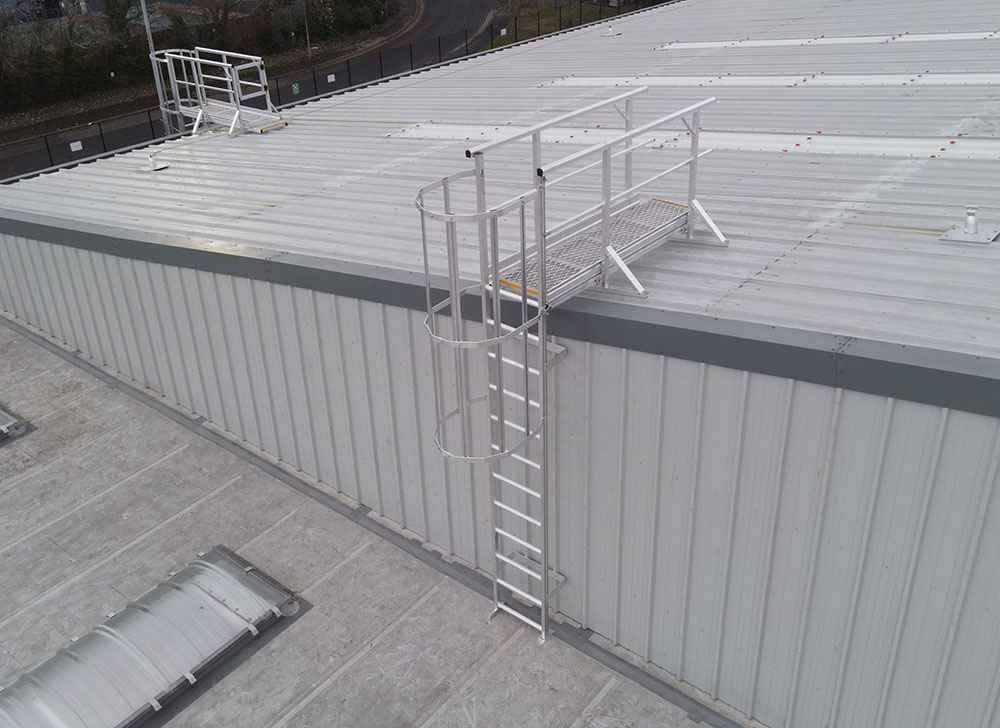
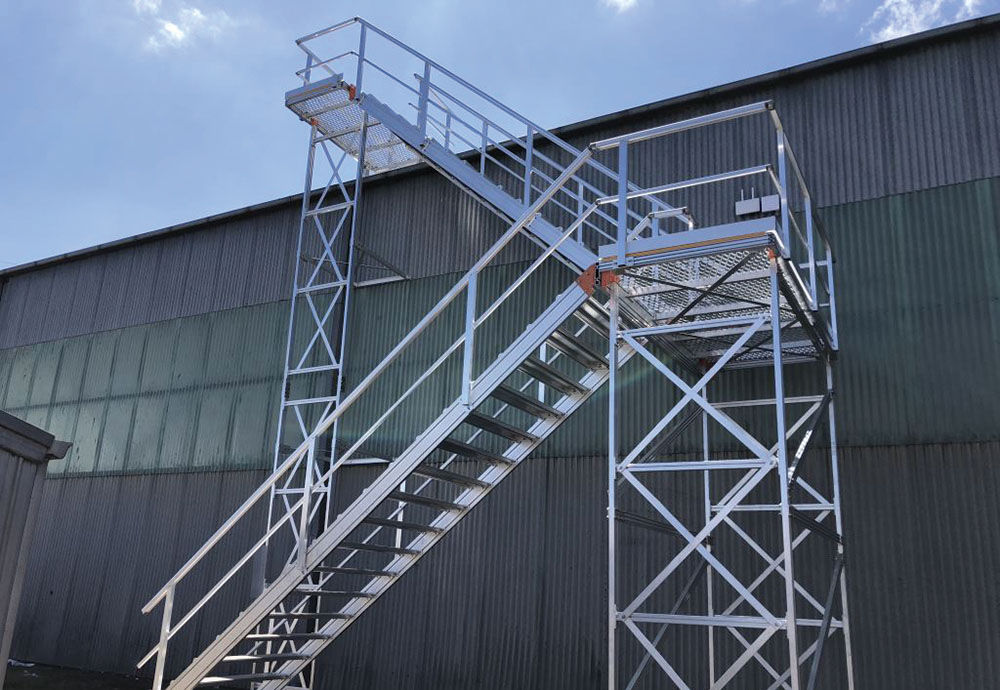
A modular access system is a prefabricated stair, platform, and walkway structure that can be bolted together on-site. When specifying a modular access system, you need to consider how the space will actually be used, whether the load rating and stair configuration match that use, and which material is right for your site. You’ll also need to determine whether the system can be adapted if your layout changes, and what ongoing maintenance it’ll need once it’s installed. Katt Safety’s modular access systems are built from high-grade aluminium and come with a 10-year warranty as standard, with multiple configurations available to suit your site.
There are so many modular access system suppliers out there all promising the same things: fast installation, low maintenance, endless configurability… But most aren’t able to help you work out which configuration is actually right for your site, or which material will perform best in your environment. If you get it wrong, you could be specifying something that can’t safely carry what you need it to, potentially putting your workers and your operations at risk.
At Katt Safety, our safety specialists are here to help you determine the best specification for your site. Below, we’ve pulled together a list of five things you should consider before you sign off on any modular access system.
1) Think about how the space will be used
Before you start comparing different product specifications, take a moment to think about what exactly the platform, stair, or walkway needs to do. For example:
- Will it be needed for occasional access, or will your operators be using it daily?
- Does it need to carry tools and materials, or just people?
- How many people might use it at once?
The answer to these questions will shape every decision that follows. If you skip this step, you may end up with an access system that’s over-specified, under-specified, or is simply wrong for the job.
2) Check the load ratings and configurations
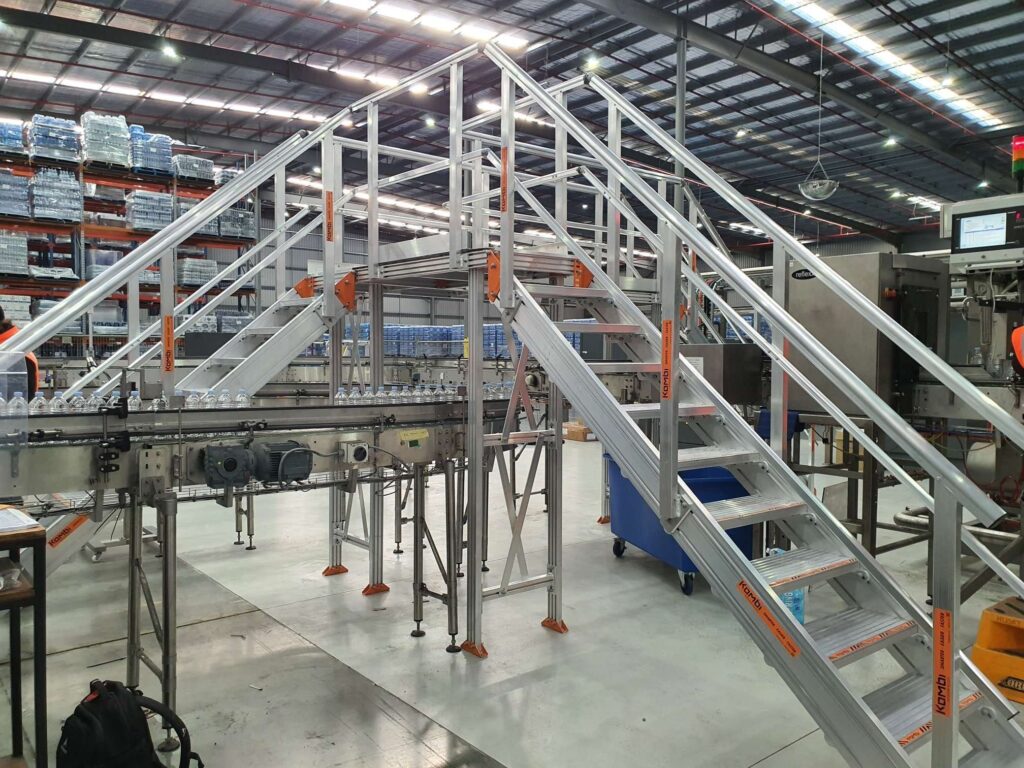
Once you know how the system will be used, check the following four figures on the manufacturer’s specification: live load rating, freestanding height, stair width, and platform deflection limit. A modular access system typically carries a live load rating of 2.5kPA (250kg per square metre), while the other three figures can vary by configuration.
Make sure these figures match your actual food traffic and equipment access needs. That way, you won’t be wasting money on a system that either falls short, or does more than it needs to do.
3) Choose the right material for your environment
Your choice of material can have a significant impact on the durability of the system, and your maintenance bill. Steel and aluminium are two of the most common options for modular access systems.
Steel is exceptionally strong and cheaper to purchase upfront. However, it requires regular galvanising and painting, and can be susceptible to rust and corrosion. Aluminium, on the other hand, is naturally corrosion resistant and considerably lighter than steel, which makes it easier to install and maintain over time.
4) Consider your future access needs
Don’t just think about the here and now: it’s important to consider what kind of access system you may need in the future. If you’re likely to upgrade your equipment later down the line or your site layout needs to evolve, then you need an access system that can adapt to your needs.
Static steel structures have to be cut out and rebuilt if you require any changes, which can be expensive and disruptive. A modular system can be easily reconfigured, extended, or relocated as often as you need, making it a better choice for long-term futureproofing.
5) Factor in ongoing inspection requirements
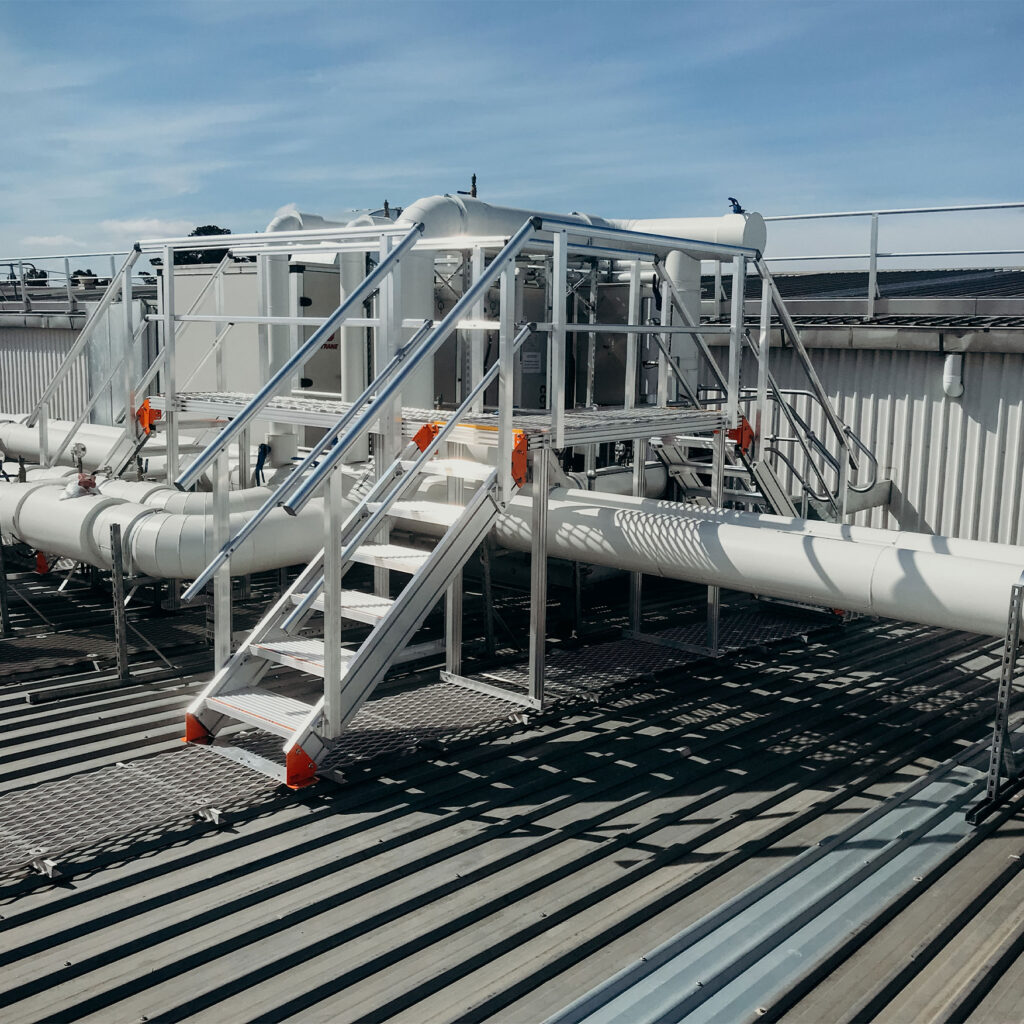
Your work doesn’t stop once the system has been installed. The Work at Height Regulations 2005 specify that you (the employer or building owner) are responsible for maintaining that access system for as long as it’s in use. This will ensure the system continues to meet BS EN ISO 14122-3:2016 throughout its lifespan, not just when it’s first signed off.
That means you’ll need to:
- Keep a clear record of exactly what was installed
- Set a regular inspection schedule
- Look out for loose fittings, wear, or damage to the components
- Document every inspection and any action taken
Specify the right modular access system for your site with Katt Safety
At Katt Safety, we supply high-strength, corrosion-resistant aluminium access systems in a wide range of configurations to suit every environment.
Our systems can be easily assembled using a simple T-bolt fastening system, and come with a 10-year warranty for your peace of mind. The stair angles, platform configurations, and layout can be adjusted to suit your specific site requirements, ensuring you get a solution that’s built around what you actually need – not just a generic fit. The modular components can evolve with your layout as it changes, with minimal effort or expense on your part.
Not sure which configuration is right for you? Our team of safety experts can help. Simply send us your drawings, and we’ll assess your load, layout, and access frequency, before specifying a system that works for your site. Get in touch to discuss your requirements.
FAQs
Is a modular access system as strong as a welded steel structure?
Yes, a modular access system can be as strong as a welded steel structure, provided it’s been specified correctly. When you specify a system, check that the load ratings and configurations match your requirements to ensure it performs as intended.
What standards does a modular access system need to comply with?
Permanent access systems need to comply with BS EN ISO 14122-3:2016 and The Work at Height Regulations 2005 for the entire lifespan of the installation.
Can a modular access system be moved or reconfigured later?
Yes, modular access systems can be moved or reconfigured if needed. Unlike with a welded structure, the modular components can be disassembled, extended, or relocated if your layout, equipment, or production line changes.
How long does it take to install a modular access system?
Modular access systems are quick and easy to install. The components arrive prefabricated and bolt together with a T-bolt fastening system, making installation far simpler than a welded equivalent.