In short:
Winter makes working at height much riskier. The frost, ice, wind, cold temperatures, and lack of daylight can make routine maintenance tasks more dangerous, and greatly increase the likelihood of slips, trips, and falls. The Work at Height Regulations 2005 mandate that work at height shouldn’t be carried out if the weather makes the task unsafe, and you should inspect every piece of safety equipment after any extreme weather event. When planning rooftop maintenance for winter, make sure you plan the tasks around the weather, set clear stop-work triggers, and rely on collective protection that performs well in all conditions.
Working at height is never free from risk. But those risks are much higher during winter, with every rung on a ladder and every stretch of walkway becoming less predictable underfoot than it was in the summer. The harsh weather conditions, including frost, ice, wind, cold temperatures, and lack of daylight can make even the sturdiest surfaces difficult to navigate, in turn increasing slips, trips, and fall incidents.
In this guide, we uncover the hidden risks of working at height in adverse weather conditions, and share some practical tips on how to safely plan rooftop maintenance work during winter.
The hidden risks that winter brings when working at height
Ice, frost, and wet surfaces
Ice is one of the most common risks when it comes to roof safety. But the problem is that ice isn’t always visible, so your workers need to take extra care when navigating rooftops after a cold spell. The most hazardous areas include north-facing slopes, shaded areas behind plant, and metal surfaces such as ladder rungs and walkway grating.
Wind
Wind gusts are often much stronger at roof level and around building edges than they are on the ground. Materials and tools can blow around and be damaged by the wind, and potentially injure your personnel working near them. Guardrails can also become unstable during high winds, so it’s important to check them regularly.
Cold
The cold can impact your worker’s concentration and reactions, and make it more difficult for them to grip metal surfaces. Even just one hour in near or even sub-zero temperatures can make your workers feel extremely uncomfortable and struggle to carry out routine tasks that would usually be second-nature.
Low light
By December, most of the UK gets less than eight hours of light each day. Tasks carried out in the afternoon could be wrapped up in darkness, with hazards like unprotected edges becoming more difficult to spot. The low morning and late-afternoon sun also creates a dangerous glare, making it easier to misjudge a ladder rung or change in level.
How to safely plan rooftop maintenance work in winter
1) Set clear stop-work triggers
Before anyone goes up on the roof, agree which conditions will stop the work. For example, if there’s frost or ice on access routes, strong wind gusts, or freezing temperatures. Include these triggers in your risk assessment and method statements, and make sure all contractors are aware of them before they arrive on-site.
2) Check all access routes
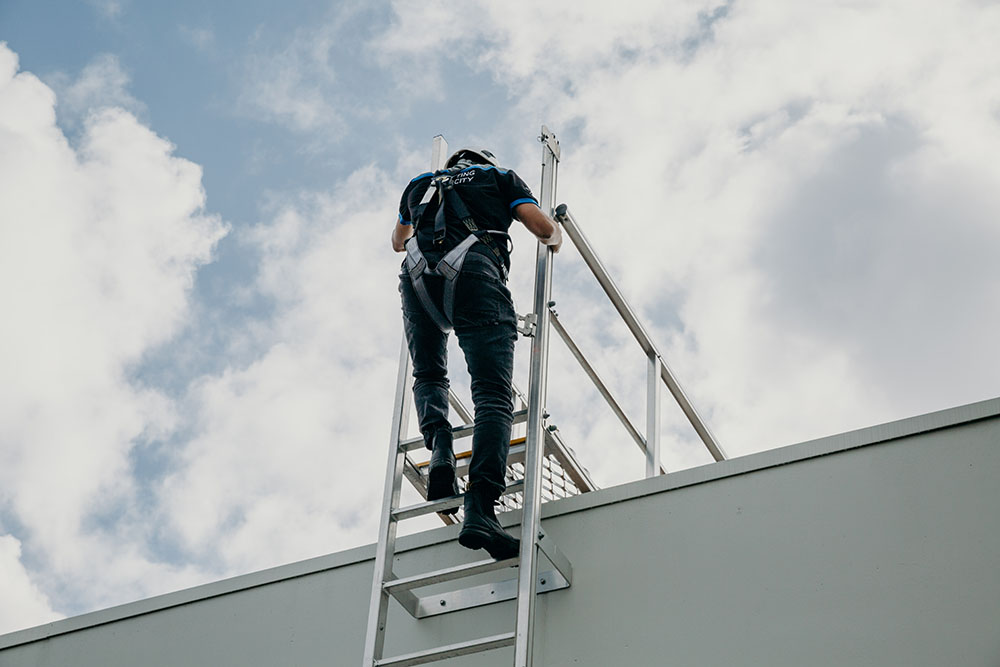
Inspect the access route onto the roof before anyone attempts to navigate it. Check all ladder rungs, landings, hatches, and walkways for frost, ice, moss, or wet leaves, and clear them away before the work begins. You’ll need to check them again before your workers descend from the roof, as the route could refreeze by late afternoon.
3) Plan around daylight hours
In wintertime, roof work should always be scheduled for the middle of the day. By this time, the light levels are at their highest and the ice has had a chance to thaw. You’ll need to allow enough time to finish the work and get everyone down from the roof before the darkness sets in.
4) Inspect your equipment after severe weather
The Work at Height Regulations 2005 require all equipment to be inspected after any exceptional circumstances that could jeopardise its safety. Winter storms, heavy snowfall, and repeated freeze-thaw cycles could damage your equipment, so always check for loose fixings, shifted counterweights, or damaged walkways after the event.
5) Review your risk assessment
It’s important to ensure that your risk assessment reflects the weather conditions on your site all year round. Take the time to review yours before winter to make sure it covers ice, wind, cold, and low light, as well as the stop-work triggers and controls above. Read more about what to include in your rooftop risk assessment in our step-by-step guide.
Safeguard your team working at height this winter
Work at height doesn’t stop once summer ends. At Katt Safety, we’re here to help ensure your routine rooftop maintenance tasks can be completed as safely as possible, all year round.
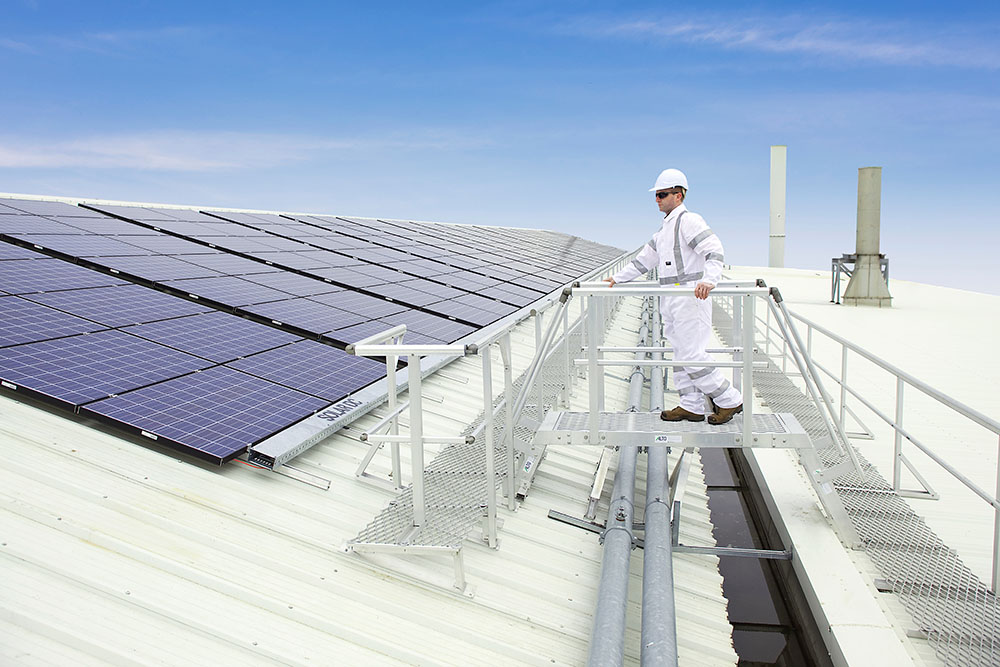
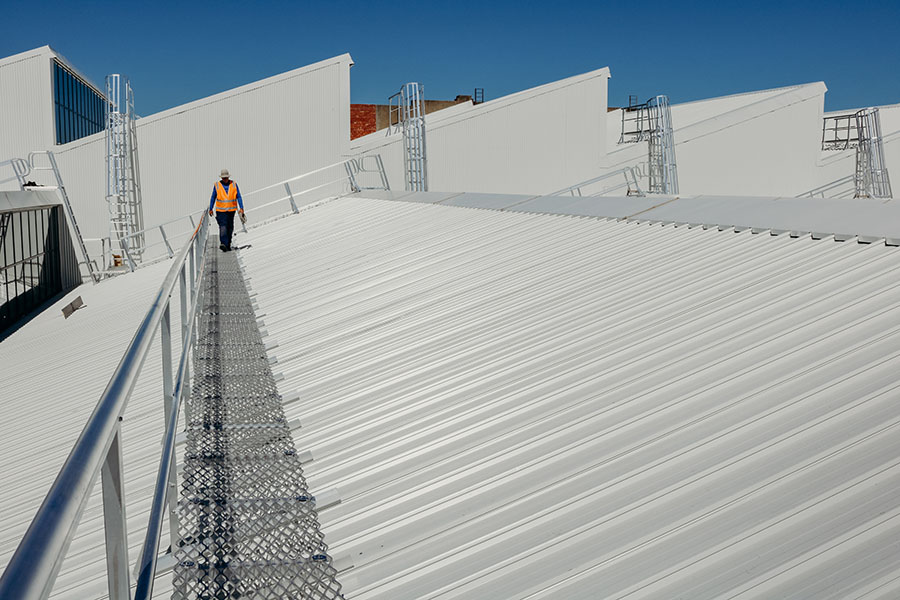
Our fixed access ladders, roof walkway systems, and guardrails are designed to protect your team when accessing, moving around, and working on your rooftop. They’re constructed from high-strength aluminium which performs exceptionally well in adverse weather conditions, and come with a 10-year warranty as standard for your peace of mind.
Get in touch to discover how we can make your rooftop safer.
FAQs
What does the law say about working at height in adverse weather?
The Work at Height Regulations 2005 state:
- You should ensure that any work at height is properly planned, appropriately supervised, and only carried out when the weather doesn’t jeopardise the health or safety of persons involved in the work
- Any equipment that has been exposed to adverse weather conditions should be inspected at suitable intervals, and again after any exceptional circumstances (like a storm) that could make it unsafe
Does the HSE set weather limits for working at height?
No. There is no fixed temperature, wind speed, or rainfall threshold for work at height to take place. You should use your own judgement based on the findings from your risk assessment, alongside the manufacturer’s guidance for any equipment being used.
How do you manage ice on your roof?
To prevent ice from forming on your rooftop, keep all drainage clear to stop water from pooling and inspect all access routes before work begins. You should check shaded areas and metal surfaces first as they hold ice for the longest. If frost or ice is present, you should postpone any non-urgent work until conditions improve.