Key takeaways:
Work at height in cold storage facilities brings the usual fall risks, with the added complications of frost, condensation, and corrosion. Ice and moisture can quickly reduce grip on rungs and walkways, while constant temperature cycling can break down the protective coatings on standard steel equipment. To reduce these risks, you should move tasks down to ground level if possible, specify corrosion-resistant materials, position access away from hazardous areas, prioritise collective protection ahead of individual PPE, and inspect your equipment often to ensure it remains safe for use.
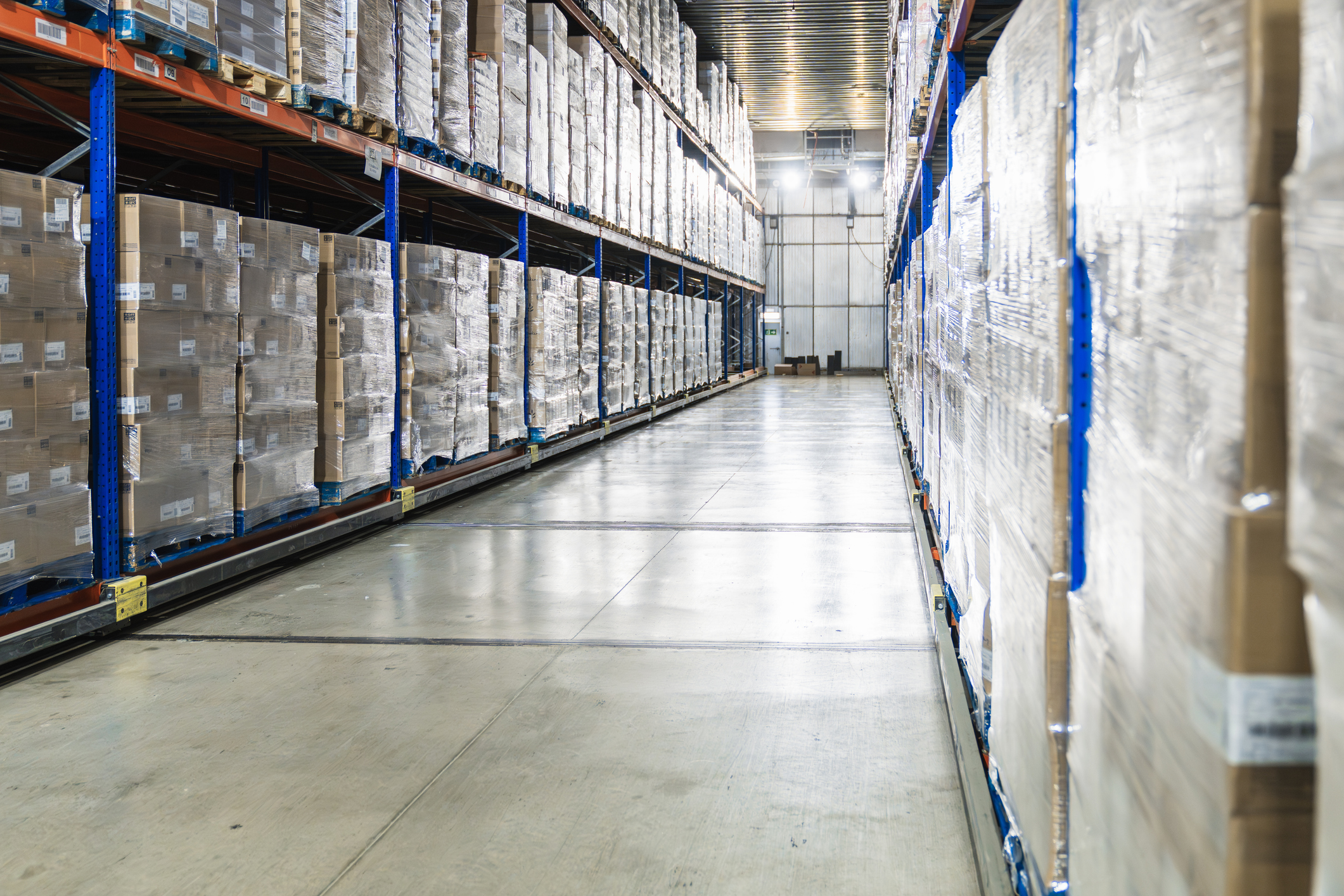
Cold storage facilities are amongst the most hazardous environments when working at height. This is largely due to the constant temperature cycling, which can expose your equipment to humidity, condensation, and freezing temperatures in a matter of hours. In the long term, this can lead to corrosion and deterioration, making previously safe equipment treacherous for your team to navigate.
In this guide, we cover the common working at height risks in cold storage facilities, and how to put them right.
The common height safety hazards in cold storage facilities
The HSE found that falls from height were the leading cause of workplace fatalities in the UK between 2025-26, accounting for around a quarter of all incidents. These risks are even higher in cold stores, thanks to:
- Frost and ice which can build up on rungs, treads, and platforms.
- Condensation that repeatedly forms whenever warm, moist air meets a cold surface.
- Corrosion that occurs over time as equipment is repeatedly frozen and thawed.
- Thermal PPE (like heavy gloves and boots) that reduces grip and dexterity.
Every time one of your personnel carries out work at height, they are likely exposing themselves to at least one, if not all of, these hazards. Here are some simple ways to keep them safe.
Five ways to reduce work at height risks in your cold store
1) Complete the task at ground level (if possible)
The Work at Height Regulations 2005 state that you should avoid working at height if it can be carried out by another means. Begin by listing every work at height task that’s undertaken in your cold store and determine whether it could be done from the floor instead.
For example, you could:
- Fit remote readouts or monitoring for your refrigeration plant, so your workers can check the temperatures and alarms without climbing up to the unit.
- Relocate all isolators, valves, and controls to an easily-reachable height during refits or plant upgrades.
- Encourage your personnel to use extended handles or poles for simple tasks like resetting equipment or clearing light debris.
2) Specify corrosion resistant materials
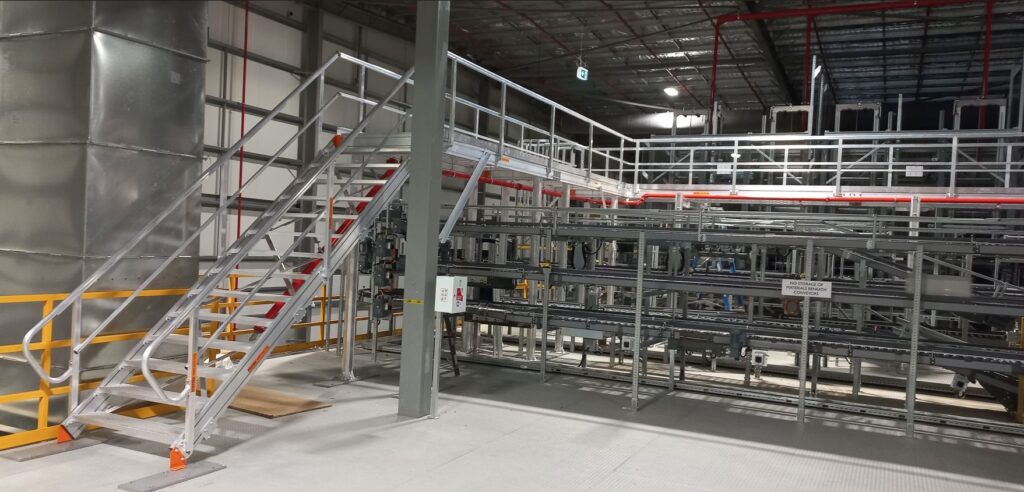
Repeated free-thaw cycling and washdown will eventually break the coating down on galvanised steel and cause it to rust. When specifying access equipment, make sure you choose materials that will resist corrosion and stand the test of time in your environment.
In practice, this means:
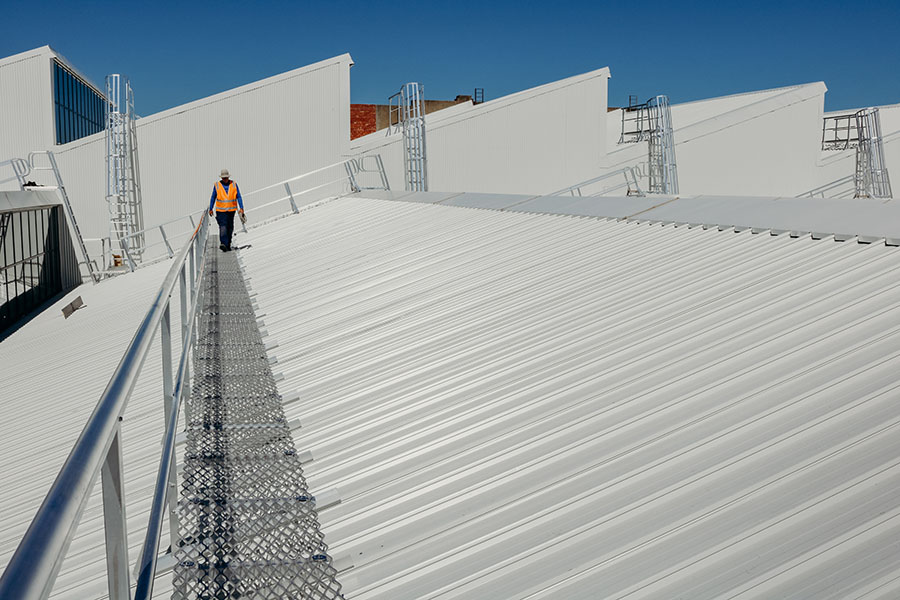
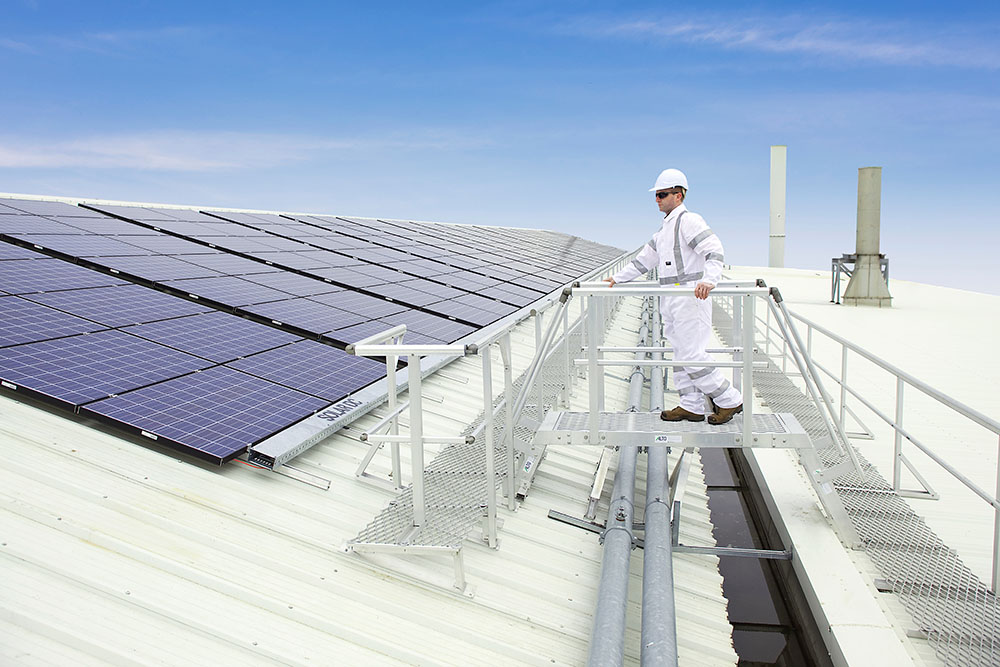
- Specifying aluminium for your ladders, walkways, and platforms. It forms a natural oxide layer that protects the metal and keeps its toughness at sub-zero temperatures.
- Using GRP (Glass Reinforced Plastic), supplied by our sister company Ezi Klamp, in the most corrosive or chemical-heavy areas, like those exposed to harsh cleaning agents.
3) Rethink your access routes
The way your workers move around the site is just as important as the materials you choose. Frost builds up quickest near evaporation units, whereas condensation is often at its worst at transition points such as anterooms, dock doors, and between chilled and ambient zones.
To keep underfoot surfaces safe, we recommend:
- Planning your access routes away from evaporators and door openings (if your layout allows).
- Specifying slip-resistant rungs and open-grid or serrated treads to allow the water will drain through rather than pooling and freezing.
- Ensuring every access point is well lit, so your team can spot ice or condensation before they step onto it.
4) Install collective protection equipment
The Work at Height Regulations 2005 mandate that when work must be carried out at height, you should always prioritise collective protection over personal protection. Collective protection keeps everyone in that area safe, while PPE only protects one person.
Common uses for collective protection in cold stores include:
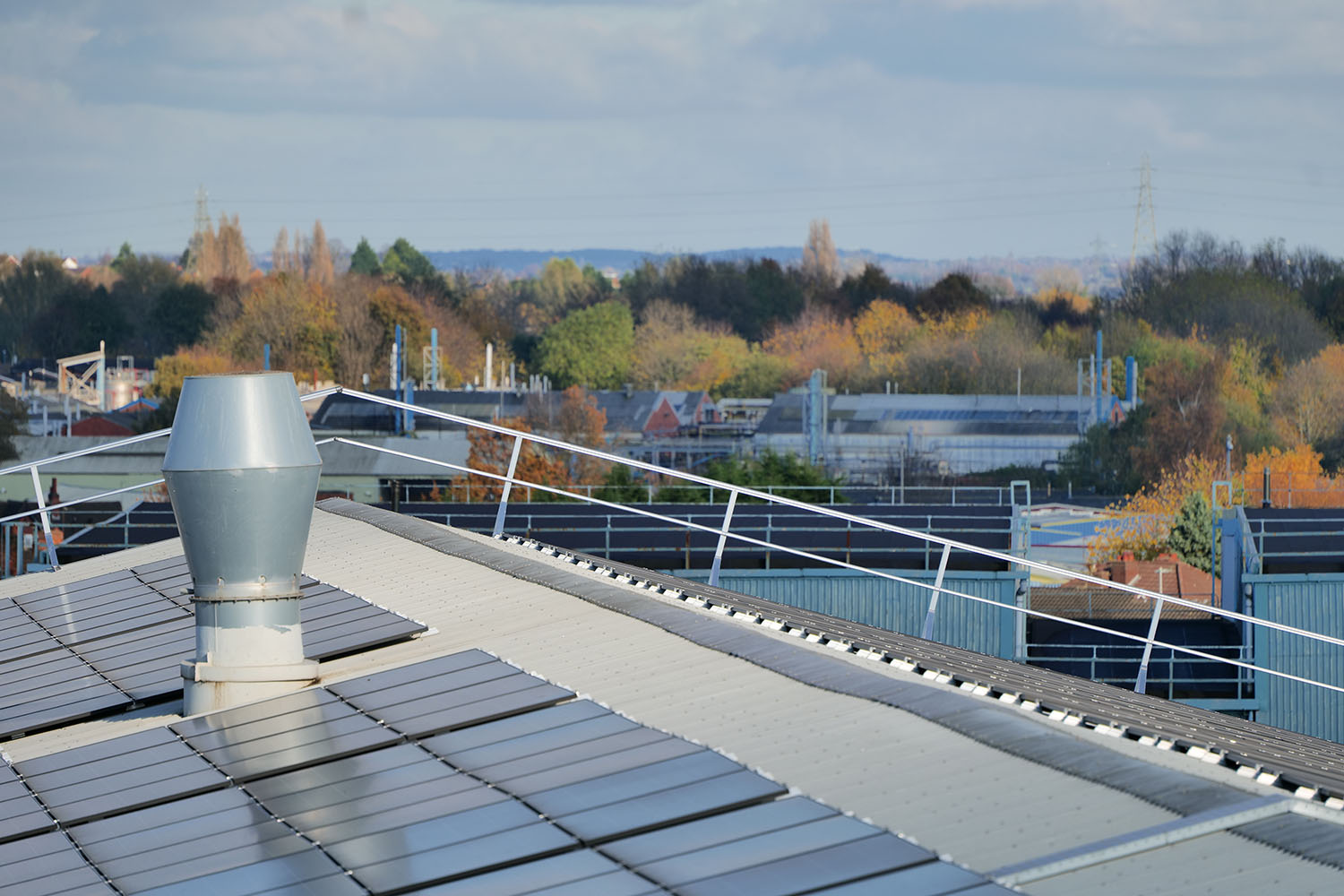
- Fitting guardrails to mezzanines, plant platforms, and any open edge where there is a risk of someone falling 2m or more.
- Using stairs or modular platforms instead of ladders in frequently accessed areas. Stairs are easier to climb when your workers are wearing gloves and heavy boots.
- Specifying fixed ladders with a cage or fall arrest system if the climb height is over 3m.
5) Inspect your equipment regularly
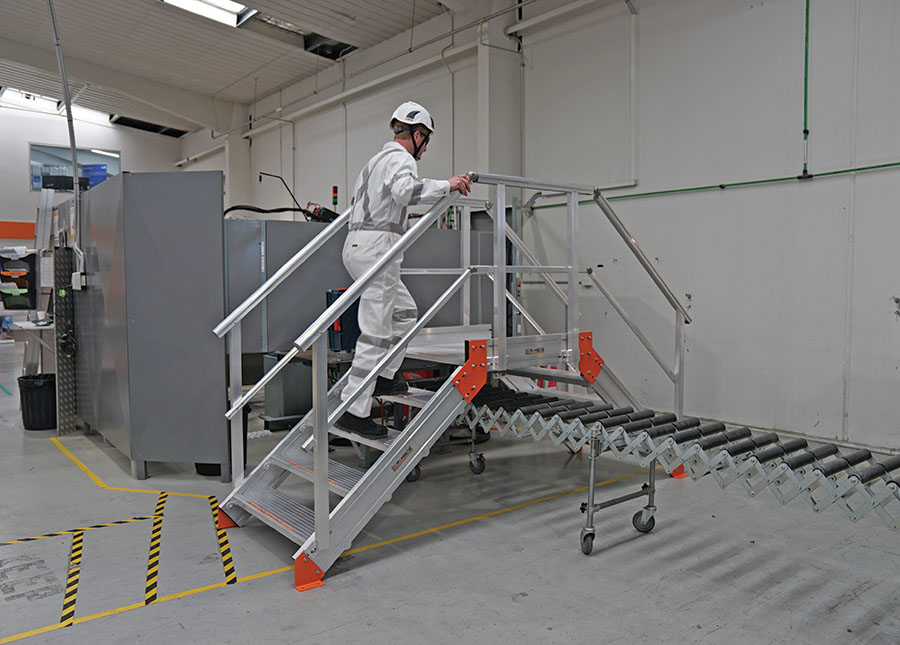
Any collective protection equipment you install will need to be inspected regularly. This will ensure it continues to meet safety standards and will effectively protect your workforce.
Your inspection regime should include:
- A quick pre-use check before every climb, looking for ice, condensation, loose fixings, and damage.
- A periodic inspection carried out by a competent person at a frequency identified by your risk assessment.
- A re-inspection after any event that could affect your equipment’s safety, like a forklift impact or refrigeration fault.
- Up-to-date records of what was checked, any hazards that were found, and what was fixed.
Improve safety in your cold store facility
Katt Safety is one of the leading manufacturers and suppliers of modular access solutions for cold storage facilities in the UK. We understand the unique challenges that your workers face, and have developed a range of quality aluminium fixed access ladders, walkways, guardrails, and access systems to keep them safe while working at height.
Get in touch to discuss your requirements and we’ll recommend the right equipment for your environment.
FAQs
What are the main risks of working at height in cold storage?
The main risks of working at height in cold storage are frost, ice, and condensation. These conditions can make surfaces slippery and increase the risk of falls, while also causing steel equipment to corrode and become dangerous underfoot.
Is aluminium or GRP better for cold room access solutions?
Both aluminium and GRP are ideal materials for cold room access solutions. Aluminium offers strong load capacity for most cold store routes, while GRP is better for the most corrosive or chemical-heavy areas on site.
How do you stop condensation from making ladders and walkways slippery?
To mitigate the impacts of condensation, position your access equipment away from door openings and evaporators where possible. You could also specify slip-resistant rungs and open-grid or serrated treads that will drain water rather than letting it pool.
How often should access equipment in a cold store be inspected?
There is no fixed interval for inspecting access equipment in a cold store. You should base the frequency on your risk assessment and also inspect the equipment after any event that could affect its safety.