In short:
Mezzanine floors and internal platforms can create serious fall risks if the edges, stairways, handrails, and toe boards haven’t been correctly specified. Under The Work at Height Regulations 2005, you must plan work at height properly and take suitable steps to prevent falls. If you’re running a busy warehouse, factory, logistics site, or manufacturing facility, then it’s vital that you have compliant platform and mezzanine floor fall protection measures in place – like robust guardrails, safe access stairs or ladders, and suitable toe boards. Getting this right helps to safeguard your team, ensures compliance with relevant safety regulations, and prevents your everyday access routes from becoming high-risk areas.
Do you rely on mezzanine floors and internal platforms to keep your operations running efficiently? If so, have you ever stopped to consider how many potential fall hazards your team passes every single day?
Mezzanine areas pose several hazards, which can seriously put your workers’ safety at risk if not properly managed. Because these areas are used so frequently, it’s easy for your workers to become familiar with them and overlook the dangers they present – but all it takes is one lapse in judgement or a simple misstep to result in significant injury, or even death.
Below, we explore some of the most common fall hazards in these areas, and explain how our access solutions can help you create a safer, more compliant working environment.
Common fall hazards around mezzanine floors and platforms
Unguarded edges
The risk:
If your mezzanine floor or internal platform has an exposed edge, you could be putting your team at risk of a serious fall. When your workers are concentrating on their maintenance task, or they’re working too close to the edge, all it takes is a momentary loss of balance or misstep to result in a serious incident.
How to control it:
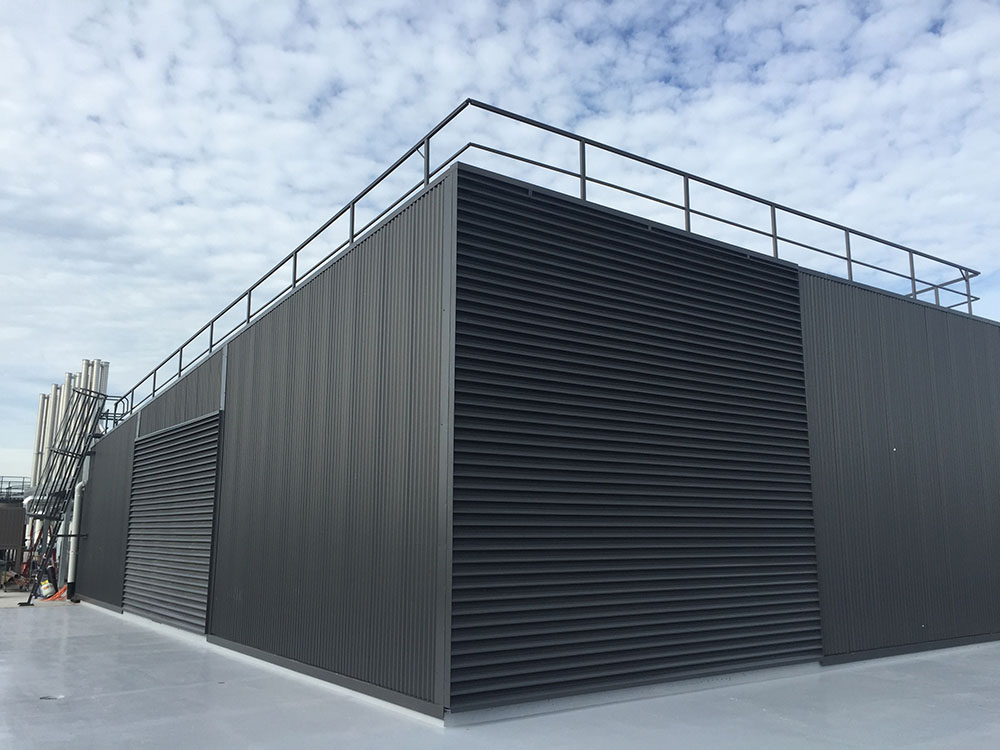
It’s vital to ensure that every exposed edge is protected by a suitable guardrail system. Guardrails provide collective protection for anyone who uses the area, without having to rely on individual safety measures such as harnesses or lanyards. Our permanent roof guardrail systems are designed to provide robust edge protection when working at height, with a range of modular configurations available to suit your exact site requirements.
Open stairwells and access points
The risk:
Stair openings, ladder access points, and other transition areas between levels can quickly become hazardous if they’re poorly designed or inadequately protected. Your workers may be carrying tools, equipment, or materials, making it easier to lose their balance or misjudge their footing when moving through these areas.
How to control it:
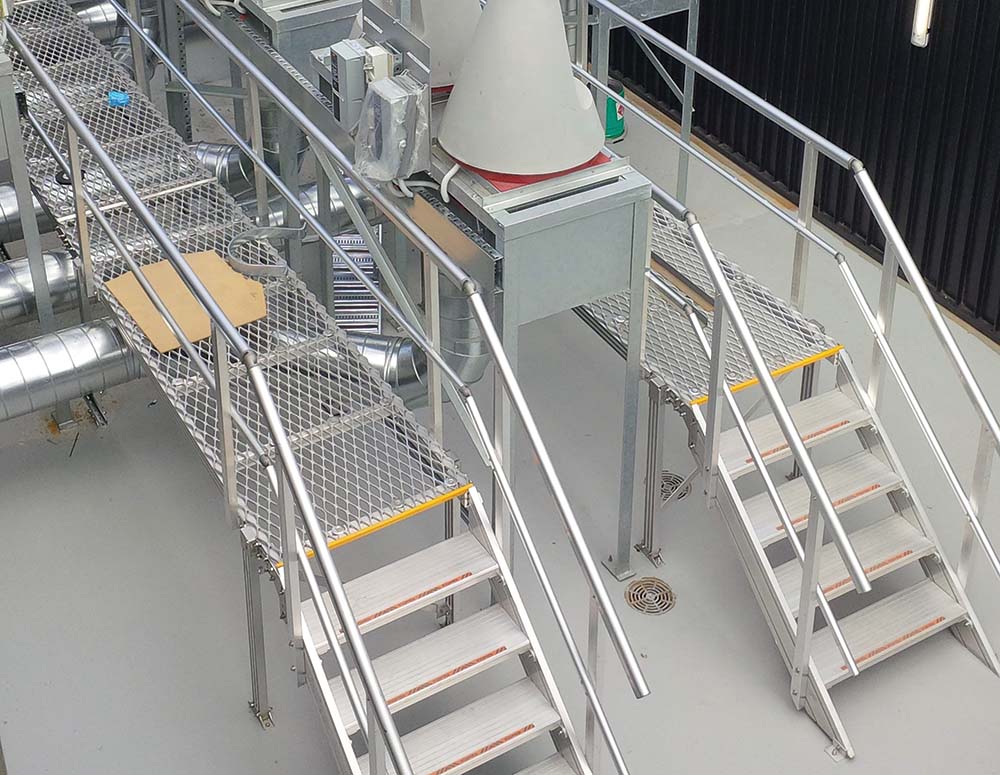
Your access points should be designed around how your team actually moves through the site. That might mean installing self-closing gates, extending the handrails, improving the landings, or replacing makeshift access with a purpose-designed staircase or ladder. Our modular stair and access platforms provide secure access to service platforms and elevated working zones, helping to keep your workforce safe as they move between levels.
Inadequate or missing toe boards
The risk:
It can be easy to overlook toe boards, but they form an important part of mezzanine floor fall protection. If any toe boards are missing or inadequate, then tools or materials could be accidentally kicked, dropped, or pushed over the edge. This poses a significant risk to your employees that may be working below, as falling objects could cause serious injury.
How to control it:
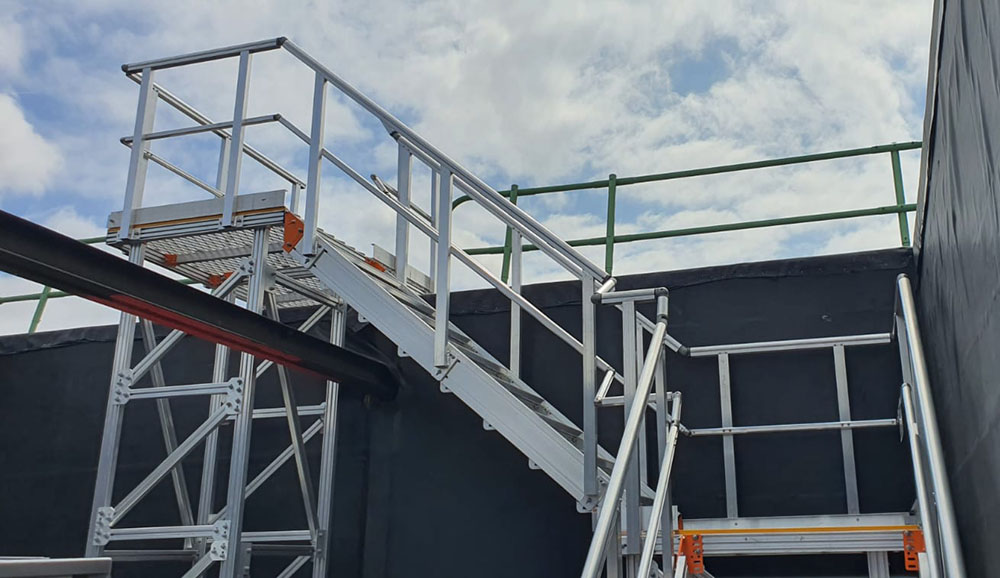
If your team is regularly handling stock or equipment near the platform edge, make sure that every working area has a safe and compliant toe board in place. They should form part of your wider edge protection strategy alongside suitable guardrails and access systems. Our modular stair and access platform systems are designed with integrated toe boards to help you reduce the risk of falling objects and create safer elevated working environments.
Poor handrail specification
The risk:
Not every handrail is suitable for industrial mezzanine safety. If a handrail is too low, poorly fixed, damaged, or not designed for the level of use on your site, it may not provide adequate fall protection. Your workers rely on handrails for support when moving around elevated areas – but if the system isn’t fit for purpose, this could result in a serious accident.
How to control it:
Your handrail systems should be designed for the specific environment, level of use, and hazards present on your site. They should also be correctly installed and regularly inspected to ensure they remain fit for purpose. Our sister company, Ezi Klamp, offers modular handrail systems that can be configured to suit a wide variety of access and platform applications, helping to deliver robust edge protection for your industrial environment.
Keep your industrial site safe and compliant with Katt Safety
At Katt Safety, we design and supply a range of modular systems that create safer, more compliant access routes across industrial sites. From fixed access ladders and modular platforms to roof walkway systems and mezzanine guardrails, our solutions help to keep your workforce safe as they move around elevated areas and protect you from penalties associated with non-compliance.
Get in touch to discuss your requirements and we’ll help specify the right solution for your site.
FAQs
What is internal platform edge protection?
Internal platform edge protection refers to a range of safety systems that are designed to prevent people or objects falling from raised working areas inside a building. This can include guardrails, toe boards, gates, and safe access points.
Are toe boards required on mezzanine floors?
Yes, toe boards may be required if there is a risk of tools, material, or stock falling from the platform and injuring people below. They form a key part of safe edge protection design in busy warehouse and industrial environments.
How often should mezzanine safety systems be inspected?
The inspection frequency of mezzanine safety systems all depends on the type of system, the environment, the level of use, and the manufacturer’s guidelines. It’s vital that equipment is checked after it’s been damaged or modified to ensure it remains fit for purpose.