
In short:
What should you look for in a roof guardrail inspection? If your guardrails are visibly damaged, corroded, or are unstable, these are clear warning signs that the system is no longer performing safely. And if you make any changes to your rooftop layout or equipment, this could render your existing edge protection inadequate, meaning you’ll need to install a new system to maintain safe and compliant access. Upgrading to modern, HSE compliant guardrails, like those from Katt Safety, will help to safeguard your personnel who are working at height and protect your organisation from enforcement action.
According to the HSE, falls from height accounted for over a quarter of fatal injuries to workers in 2024-25. Roof guardrails provide collective edge protection around the perimeter of a rooftop, helping to protect your personnel who are working at height and reduce the likelihood of fatal accidents.
Roof guardrails are often treated as a “fit and forget” solution – but it’s important to complete regular roof guardrail inspections to ensure they’re still delivering safe and compliant edge protection. But what should you actually be looking for when inspecting your system?
In this blog, we explore the 5 signs you need to upgrade your roof guardrails, so you know exactly when to take action.
5 signs your roof edge protection is failing
1) Your guardrails no longer meet current standards
In the UK, roof guardrails must comply with several regulations, including The Work at Height Regulations 2005, and relevant British Standards depending on the type of system (BS EN ISO 14122-3:2016 for fixed guardrails and BS EN 13374:2013+A1:2018 for freestanding guardrails).
However, these standards are constantly being updated, meaning that the system you installed 10-15 years ago may not meet today’s requirements for height, load resistance, or configuration. If your guardrails fall short, you could be at risk of potential fines or enforcement action from the HSE.
Not sure where your current system stands? Read our blog on the roof edge protection requirements to determine if your roof guardrails are compliant.
2) Visible signs of damage or corrosion
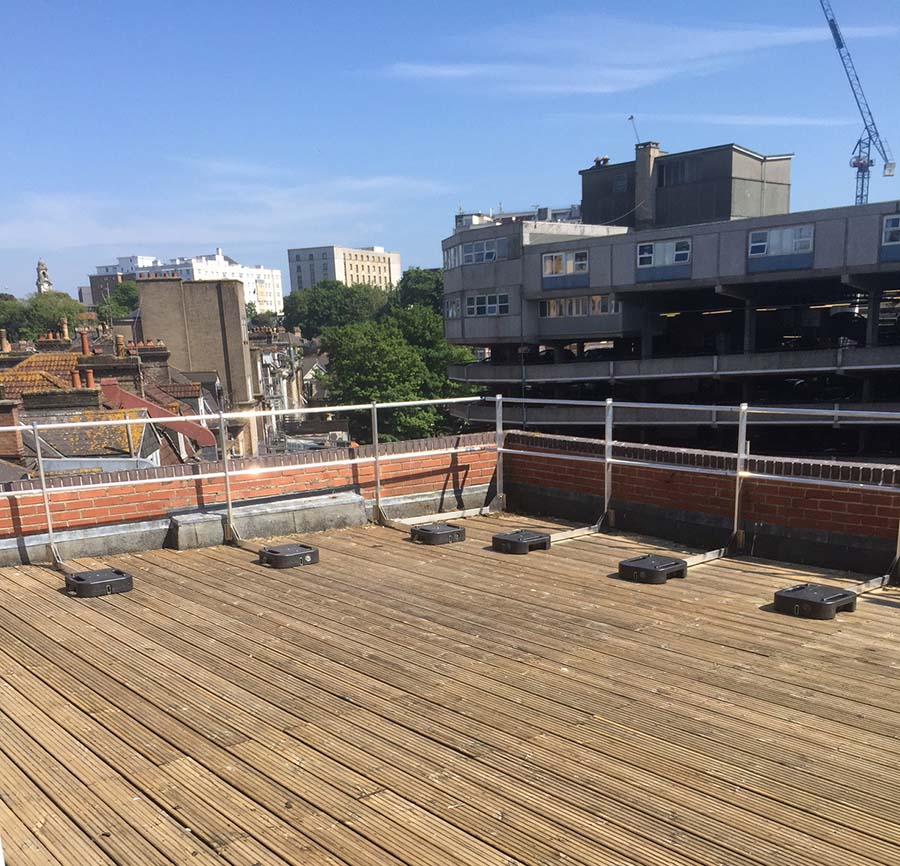
Physical deterioration is one of the clearest indicators of roof edge protection failure. When carrying out an inspection, look out for:
- Rust or corrosion on metal components
- Loose or missing fixings
- Bent or deformed rails
- Movement or instability under pressure
Although these issues may appear cosmetic, they could be impacting the structural integrity of the system and making it unsafe. If you identify any of these issues, you may need to carry out repair work, which could be expensive and inconvenient. In many cases, it’s more cost-effective to upgrade to a modern roof guardrail system, like Katt Safety’s.
3) Your rooftop layout has changed
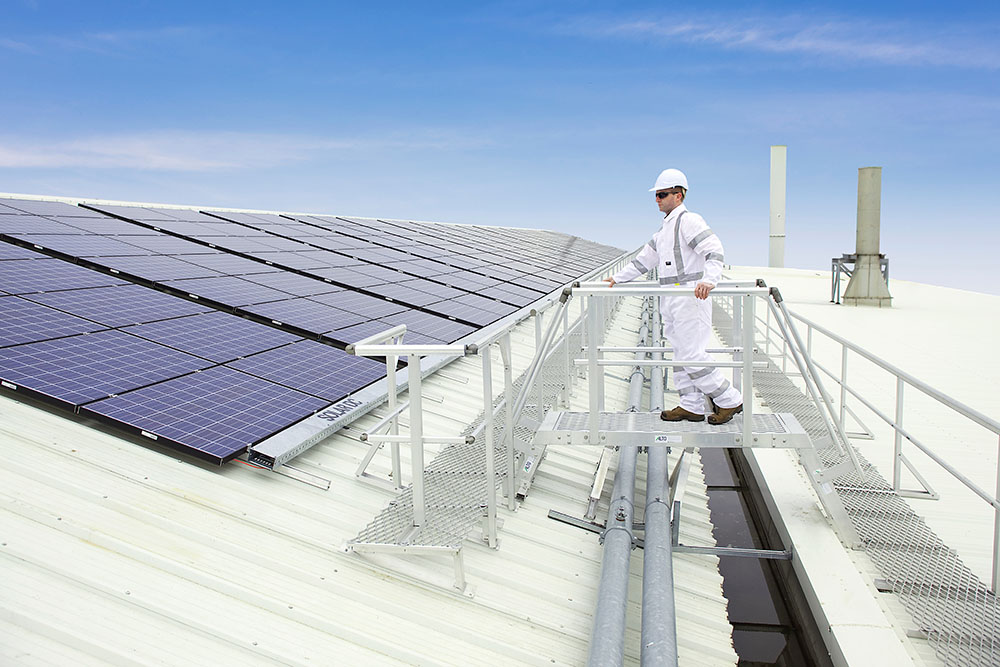
Rooftops are rarely static environments. If you’ve recently installed additional plant equipment, solar panels, or new access routes, this could significantly alter how people move across the roof, as well as introducing new safety risks.
Guardrails that were designed for a previous layout may no longer provide adequate coverage if your layout changes. When conducting a roof guardrail inspection, it’s important to confirm that the system still aligns with both the physical layout of your rooftop and how the space is accessed and maintained. If not, then it may be time for an upgrade.
4) You’ve had a recent audit or near miss
Audits and incident reports are often the trigger for upgrading roof safety systems. Common issues flagged in audits include:
- Insufficient guardrail height
- Gaps in protection around key access points
- Non-compliant installation methods
- Lack of documentation or inspection records
If your audit has flagged any of these issues, or if an accident has occurred on your rooftop, then this is a clear sign that your existing guardrails are not performing as they should. If you ignore these warnings, they could lead to serious consequences in terms of safety and liability.
5) Your system requires frequent maintenance or temporary fixes
If you’re constantly repairing or adjusting your guardrails, this is a strong indication that the system is no longer fit for purpose. The cost and time involved in carrying out frequent maintenance can quickly add up – and if you’re not careful, you could find yourself spending more on repairs than you would on replacing the system. Plus, temporary repairs often fail to address the underlying structural issues, and could even introduce additional safety risks.
Modern guardrail systems, like we supply at Katt Safety, are extremely durable with minimal maintenance requirements. Investing in a robust solution will help to reduce your ongoing costs and ensure consistent protection for anyone working at height.
Why upgrade to Katt Safety’s permanent roof guardrails?
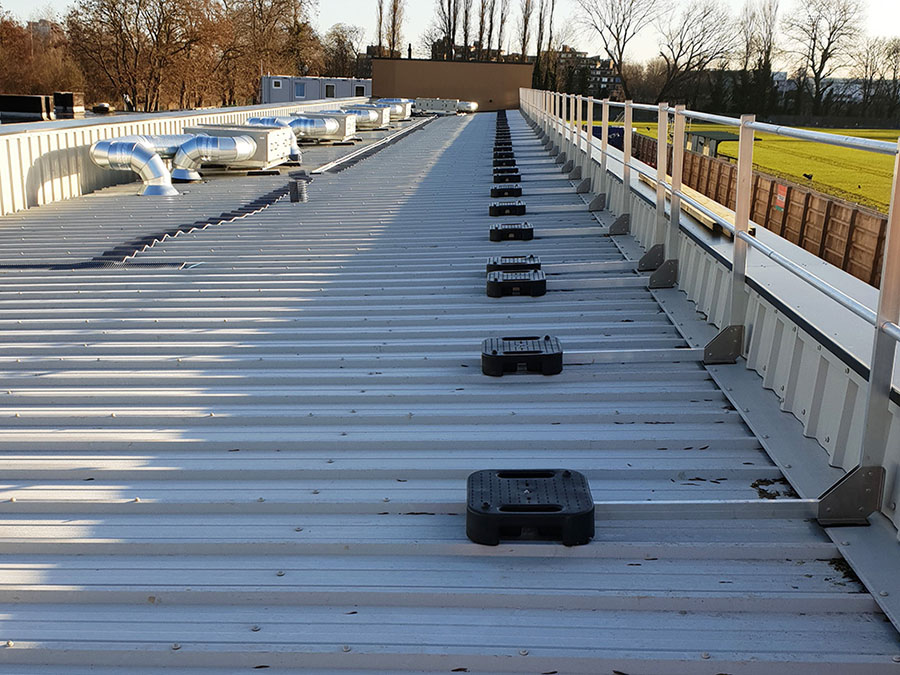
Made from high-strength aluminium, our permanent roof guardrail systems deliver reliable edge protection for anyone who’s accessing your rooftop, without the maintenance burden. They’re compliant with all relevant UK safety regulations, including The Work at Height Regulations 2005 and relevant British Standards – helping to effectively safeguard your personnel and protect your organisation from HSE enforcement.
Our Katt systems are engineered to withstand harsh weather conditions and are completely resistant to corrosion, which helps to maintain their structural integrity over time and reduce the likelihood of roof edge protection failure. They’re also modular in nature, meaning they can be easily configured to suit any changes in your roof layout, without needing to upgrade to a new system.
Ready to upgrade your roof guardrail system? Get in touch with our expert team to discuss which configuration is right for your rooftop.
FAQs
How often should a roof guardrail inspection be carried out?
Roof guardrails should be inspected at least once a year, or more frequently in high-risk or exposed environments. Inspections should also take place after significant weather events or rooftop modifications.
What are the main causes of roof edge protection failure?
The main causes of roof edge protection failure include corrosion, poor installation, structural fatigue, and changes to rooftop layouts that leave areas unprotected.
Can damaged guardrails be repaired instead of replaced?
Minor issues with guardrails can sometimes be repaired, but if the system has major damage or is not compliant with regulations, then a full upgrade may be required.
What type of buildings benefit most from permanent guardrail systems?
Permanent guardrail systems are ideal for commercial buildings, data centres, and industrial facilities where regular rooftop access is required and long-term safety is a priority.