Key takeaways:
Skylights are one of the easiest risks to overlook, but they’re actually a leading cause of serious falls during routine roof work. In 2026, expectations around rooftop safety continue to rise, so awareness alone isn’t enough. You need to make sure your skylights have been correctly load tested and installed, and that you maintain them regularly. Investing in Katt Safety’s skylight covers will help you stay compliant with safety regulations and protect your people in the long-term.
Did you know that falls through fragile surfaces, including rooflights, account for 22% of all fall from height fatal injuries in the construction industry? Skylight covers help to protect your personnel who are working on your rooftop and ensure you remain compliant with all relevant safety standards. But with so many options out there, it can be difficult to determine which system is worth investing in.
In this guide, we break down everything you need to know about skylight fall protection in the UK, so you can ensure your rooftop is safe and compliant.
Why skylights are a critical roof safety risk
Skylights (or rooflights) are commonly installed on rooftops across the UK to help improve natural light within buildings. But from a safety perspective, they present a significant fall risk. Many skylights are constructed from fragile materials like polycarbonate, which can deteriorate over time in harsh weather conditions.
The issue is that skylights often look like they’re safe to walk on, but in reality, they’re not. The HSE classifies fragile surfaces as a major hazard – so if you fail to manage them properly, this could result in serious accidents or potential enforcement action.
Understanding the skylight cover requirements in 2026
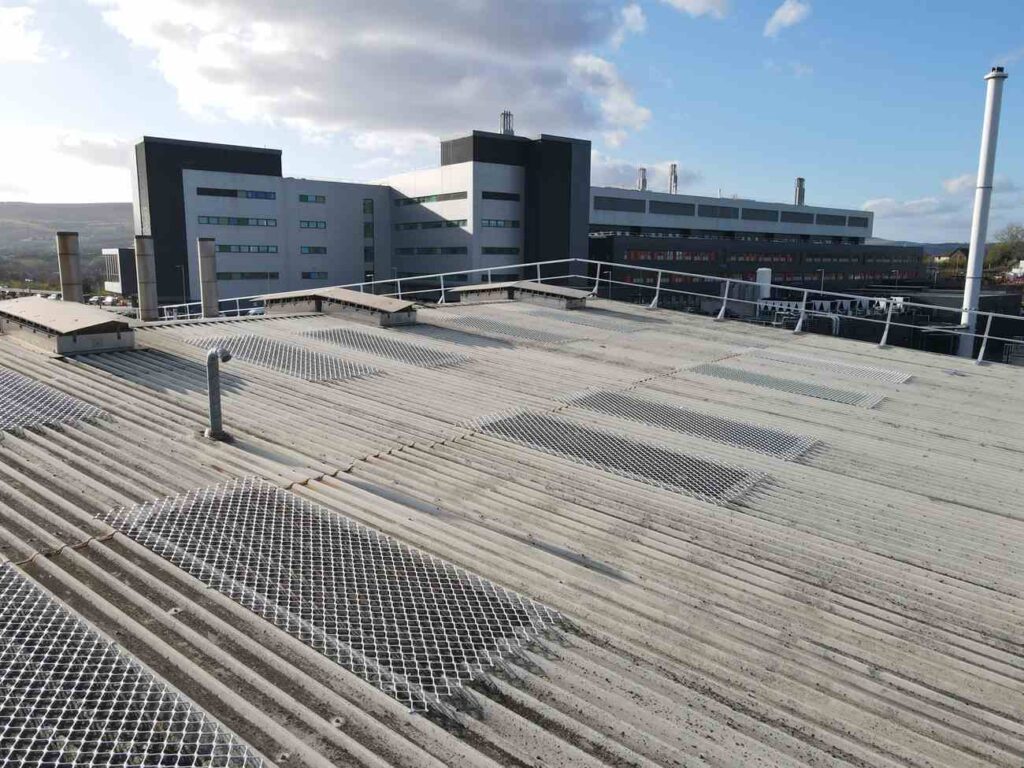
It’s important that you have a clear understanding of the skylight cover requirements. Skylights are covered under The Work at Height Regulations 2005 as part of your wider responsibilities to keep your personnel safe when working at height.
This means you’ll need to:
- Install collective protection measures such as skylight covers or guardrails
- Ensure that all systems are permanently fixed and tamper-resistant
- Clearly label fragile areas with signage where necessary
But installing basic safety systems isn’t enough in 2026. You need to implement solutions that withstand defined load impacts, maintain their performance over time without degrading, and integrate seamlessly with your rooftop access system. More on that below.
How to ensure your skylight fall protection is safe and compliant
1) Choose a solution with verified load performance
Not all skylight protection systems are created equal, so it’s important to choose a solution that has been properly load tested.
All skylight cover systems should be tested to withstand both static loads (e.g. a person standing on the surface) and dynamic loads (e.g. a person falling onto the cover). If your system doesn’t have verified load performance, it may not be safe or compliant.
Before choosing a skylight cover, ask the supplier:
- Has the system been independently tested?
- What load ratings does it meet?
- Is it compliant with recognised UK or European standards?
2) Make sure the system has been installed correctly
Even the safest skylight system will fail if it’s not been installed correctly. Poor installation can introduce new safety risks, such as trip hazards or system movement, and also invalidate the compliance of the system.
You need to ensure that your skylight covers:
- Use non-penetrative fixing methods to preserve your roof’s integrity
- Are compatible with different roof types (metal, membrane, standing seam)
- Allow for correct spacing and coverage to eliminate gaps
Working with a specialist provider and installer will help ensure that your skylight protection system is not only specified correctly, but also installed in line with best practice.
3) Carry out regular inspections
Compliance isn’t just a one-time exercise. You need to regularly inspect your skylight protection systems to ensure they remain safe after environmental exposure or general wear and tear.
Make sure you:
- Carry out annual inspections at a minimum
- Complete additional checks following any severe weather events or roof work
- Document the overall condition of the system and any damages
A structural inspection regime is essential for effective rooflight hazard management, allowing you to identify and address any risks before they lead to safety incidents.
Protect your workforce with Katt Safety’s skylight covers
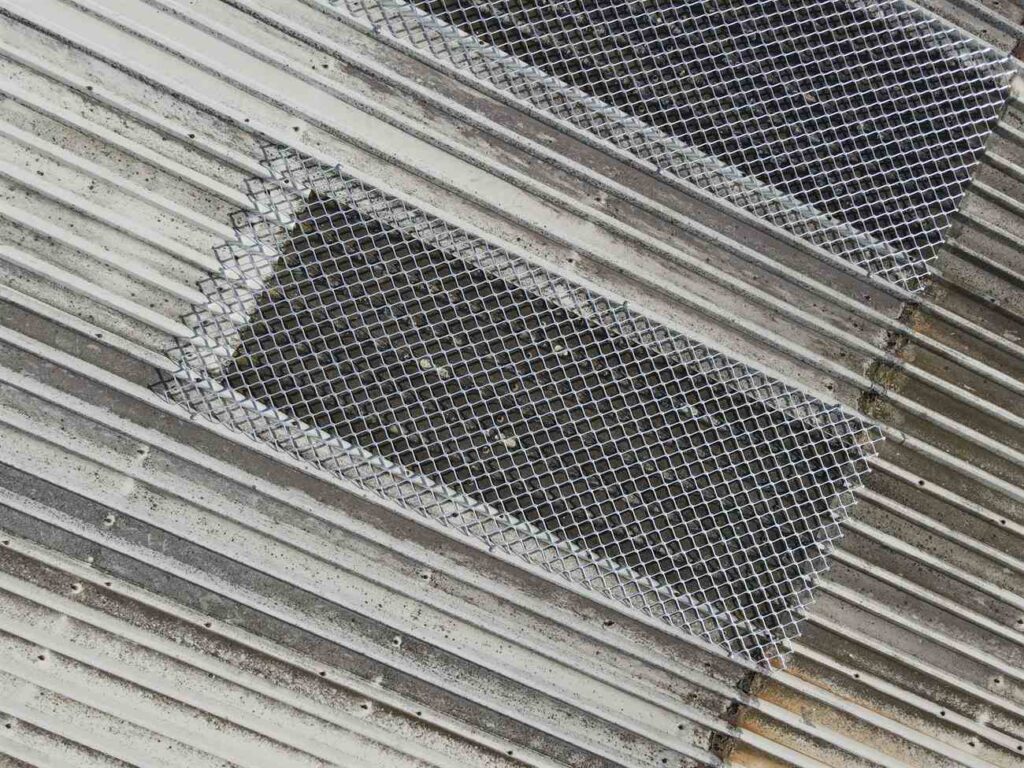
The most effective way to reduce risks on your rooftop is to install a compliant skylight protection system that you can rely on long-term.
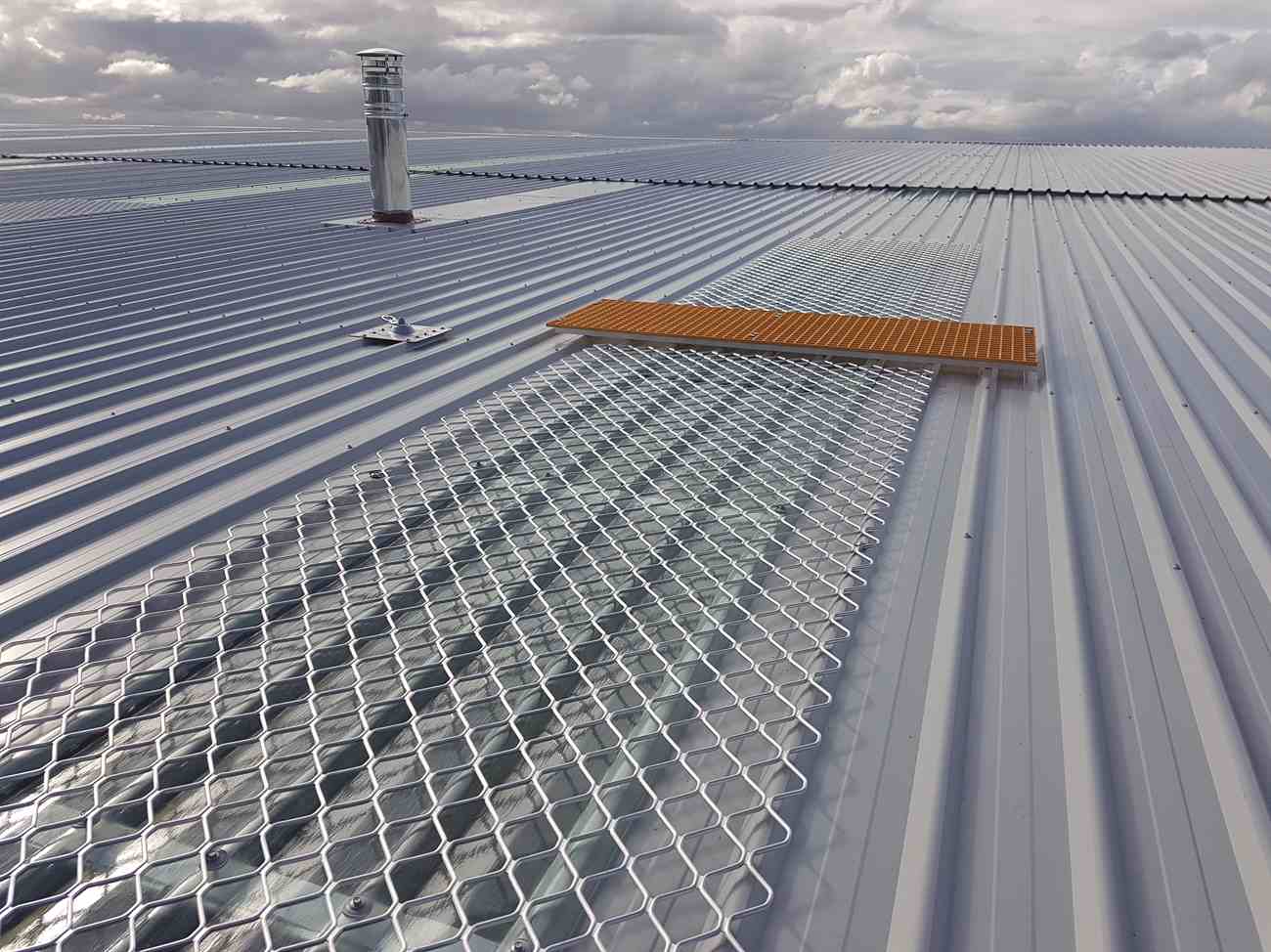
Our skylight covers provide reliable fall hazard protection for anyone working on your rooftop, without compromising light penetration. Each system is designed and tested to withstand real-world loads, ensuring your team is fully protected if a fall occurs, and that you remain compliant with all relevant UK safety standards.
Our skylight mesh protectors are available in multiple configurations and sizes, and are compatible with all types of rooflights, skylights, and brittle roof structures. Made from lightweight, high-strength aluminium, they’re easy to install and require little-to-no ongoing maintenance.
Need to make your rooftop safer? Get in touch with our expert team to find the right skylight cover system for your site.
FAQs
What is the legal requirement for skylight protection in the UK?
Under The Work at Height Regulations 2005, skylights must be treated as fragile surfaces and protected to prevent falls. This usually involves installing collective protection measures like skylight covers or guardrails.
Do skylight covers need to be load tested?
Yes, skylight covers need to be load tested to ensure they can withstand both static and dynamic loads. This provides peace of mind that the system can safely prevent a fall through the skylight.
How often should skylight protection systems be inspected?
Skylight protection systems should be inspected at least once a year. However, additional inspections are also recommended after extreme weather events or rooftop works that could potentially impact the system.
Can skylight protection systems be installed without damaging the roof?
Yes, many modern skylight protection systems, including those offered by Katt Safety, can be installed without damaging the roof. They use non-penetrative fixing methods to maintain roof integrity while keeping people safe.