
Key takeaways:
To keep people safe during maintenance work, you need access platforms that have been correctly designed and installed to ensure compliance with The Work at Height Regulations 2005. Your industrial access platforms will need toe boards and handrails to prevent falls, be set at the right height so your workers are not overreaching, and have slip-resistant surfaces that are suited to your environment. You’re also required by law to inspect the platforms regularly and keep clear records. Modular access platforms are easier to install and require minimal maintenance, making them the ideal safety solution for busy industrial sites.
Maintenance work at height is one of the most high-risk activities on industrial and commercial sites, accounting for over a quarter of fatal injuries to workers in 2024/25. Whether your personnel are carrying out routine inspections, plant servicing, or repair work, it’s vital that they can safely access key work areas without risk of injury.
Industrial access platforms help to keep these areas safe – but simply having a platform in place isn’t enough. You need to have the right access platform in place that’s been correctly designed and is fully compliant with The Work at Height Regulations 2005. This is where modular access platforms come into their own, offering a safer, more flexible alternative to fixed or improvised access solutions.
We’ve put together this practical checklist to help you specify, inspect, and maintain safe access platforms on your site with confidence.
Your access platform safety checklist
1) Toe boards
Toe boards are a basic but critical safety feature that every access platform needs. They prevent tools and materials from being kicked or knocked off platforms, reducing the risk of objects striking people below.
Checklist requirements:
- You have toe boards installed on all open sides where tools or materials could fall
- You have checked that the toe boards are securely fixed and compatible with the platform system
- You have confirmed that the toe boards are in good condition with no damage, gaps, or deformation
2) Handrails and edge protection
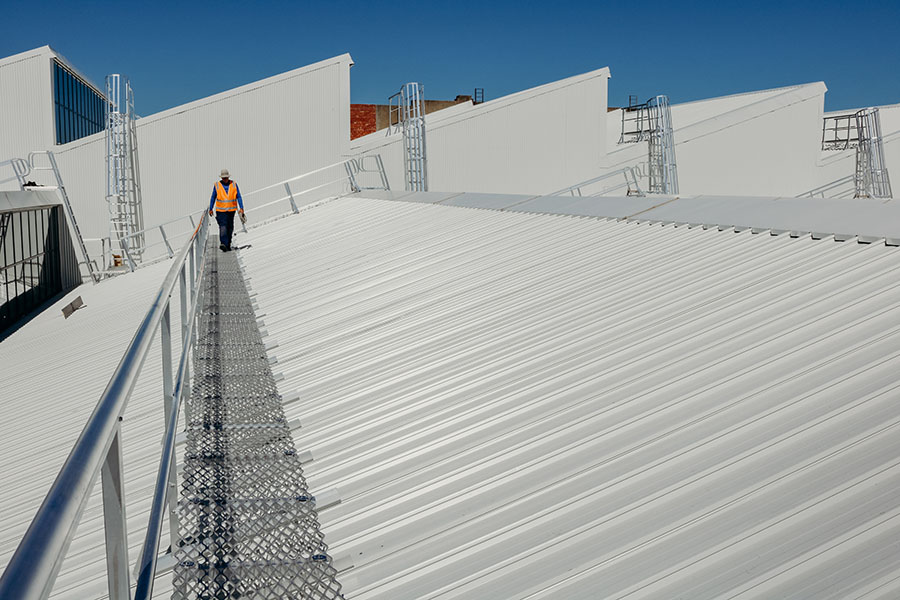
Falls from height are one of the most common causes of fatal injuries on industrial sites. Handrails and edge protection are essential for access platforms as they physically prevent your maintenance personnel from stepping, slipping, or falling off the edge of the platform.
Checklist requirements:
- You have a top guardrail installed at a minimum height of 950mm
- You have a mid-rail in place with no gaps exceeding 470mm
- You have edge protection installed on all exposed sides of the platform
3) Platform height
Your access platforms must be specifically designed around the task being carried out. If you design the platform height incorrectly, this could encourage your maintenance staff to overreach, climb on guardrails, or use makeshift solutions that put their safety at risk.
Checklist requirements:
- You can carry out the task without overreaching or leaning beyond guardrails
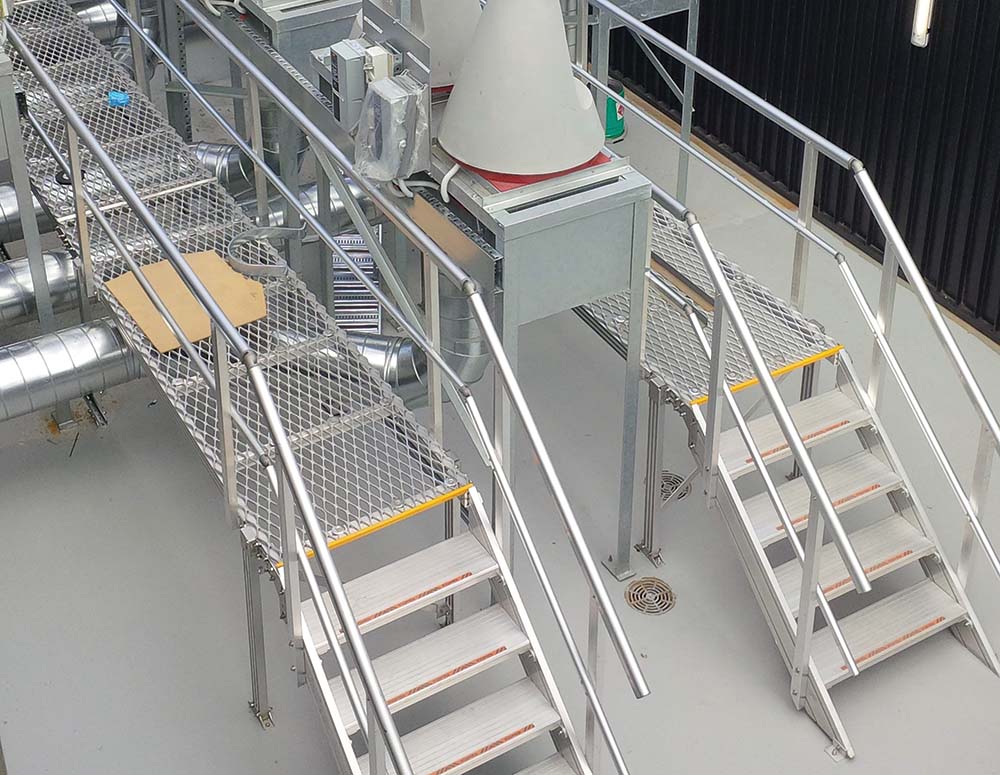
- You have provided fixed maintenance access stairs for areas that see regular foot traffic
- You have checked that the stair angle, tread depth, and riser height meet the requirements set out in BS EN ISO 14122-2:2016
4) Slip resistance
Slip risks increase significantly in industrial environments where water, oils, dust, or harsh weather conditions are present. Even minor contamination can quickly turn an access platform into a serious hazard, making surface safety a key consideration when specifying your platform.
Checklist requirements:
- You have selected platform surfaces that are slip resistant and suitable for the environment
- You have considered drainage for all external platforms
- You have procedures in place to keep all surfaces clear of debris, ice, and other contaminants
5) Inspection cycles
It’s vital that your industrial access platforms remain safe throughout the entirety of their working life. If you don’t inspect them regularly, even the smallest signs of wear or damage can quickly compromise their safety.
Checklist requirements:
- You ensure that pre-use visual checks are carried out by trained personnel
- You have scheduled formal inspections at defined intervals
- You keep inspection and maintenance records for audit and compliance purposes
How Katt Safety’s modular access platforms support safer maintenance work
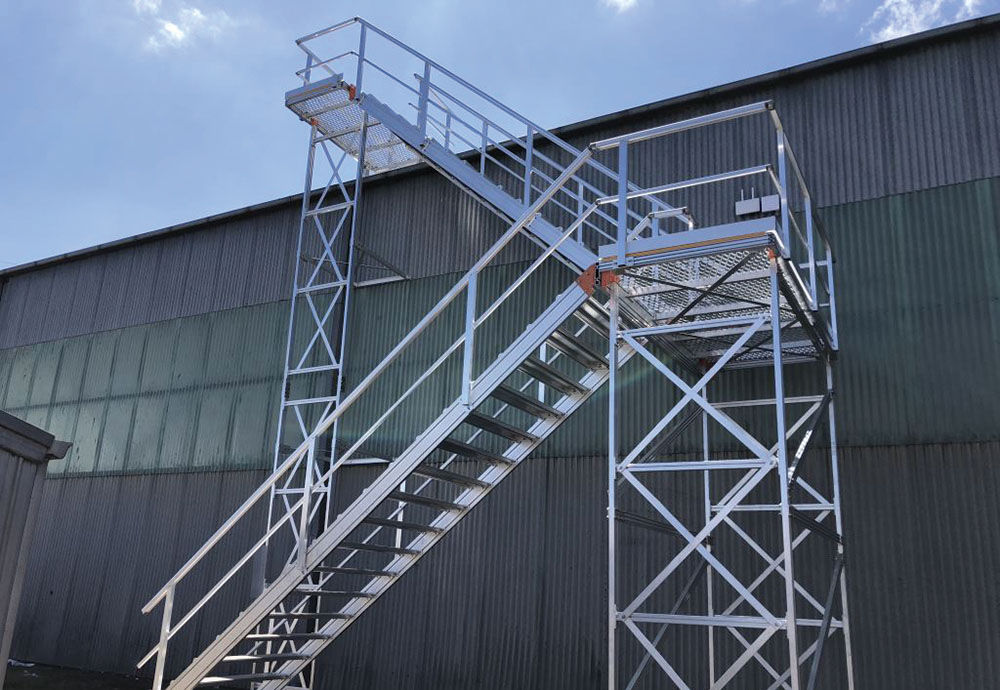
Fixed access platforms might not be the right option for your site. As your plant layouts change or your equipment is upgraded, your access platforms could become unsafe or impractical. Modular access platforms offer a clear advantage over fixed platforms, allowing you to adapt the access as your needs change without compromising safety or compliance.
Our modular stair and access platform systems are specifically designed for industrial and commercial environments, helping to provide safe, repeatable access to plant, equipment, and work areas at height. Each system is built around configurable components that can be easily adjusted and expanded as your site changes. They’re quick to install with no need for hot works and require minimal maintenance, making them a practical long-term solution rather than a fixed constraint.
Need help specifying a compliant access solution for your site? Get in touch with our expert team today – we’ll help you assess your requirements, identify potential risks, and determine whether modular access platforms are the right solution for your site.
FAQs
What regulations apply to access platforms in the UK?
Access platforms fall under The Work at Height Regulations 2005, supported by relevant British Standards and HSE guidance.
Are toe boards legally required for access platforms?
Yes, toe boards are legally required for access platforms where there is a risk of objects falling and causing injury.
When should maintenance access stairs be used instead of ladders?
Maintenance access stairs should be used for frequent access, carrying tools, or where prolonged work is required.
How often should access platforms be inspected?
You should carry out visual checks of your access platforms before every use, and also conduct formal inspections at planned intervals based on the level of risk.