
The short answer:
A robust roof safety compliance checklist is essential to help you manage work at height risks, meet the UK roof safety regulations, and demonstrate due diligence. Your checklist should assess roof access, edge protection, fall arrest systems, fragile roofs, maintenance procedures, and inspection regimes. A structured checklist supports regular roof protection audits and helps you identify any gaps before accidents or downtime occur.
Did you know that working at height is the primary cause of serious workplace injuries and fatalities in the UK? Roofs present various hazards to maintenance personnel, including unprotected edges, fragile surfaces, and restricted access.
A well-structured roof safety compliance checklist can help you manage these risks proactively, providing a repeatable framework for you to assess hazards, verify controls, and demonstrate compliance with UK roof safety regulations such as the Work at Height Regulations 2005. It also forms the backbone of a reliable roof fall protection audit and allows you to make safer decisions on-site.
Below, we break down what your roof safety compliance checklist should include, and how it can support safer roof access.
Things to address in your roof safety compliance checklist
1) Safe access to the rooftop
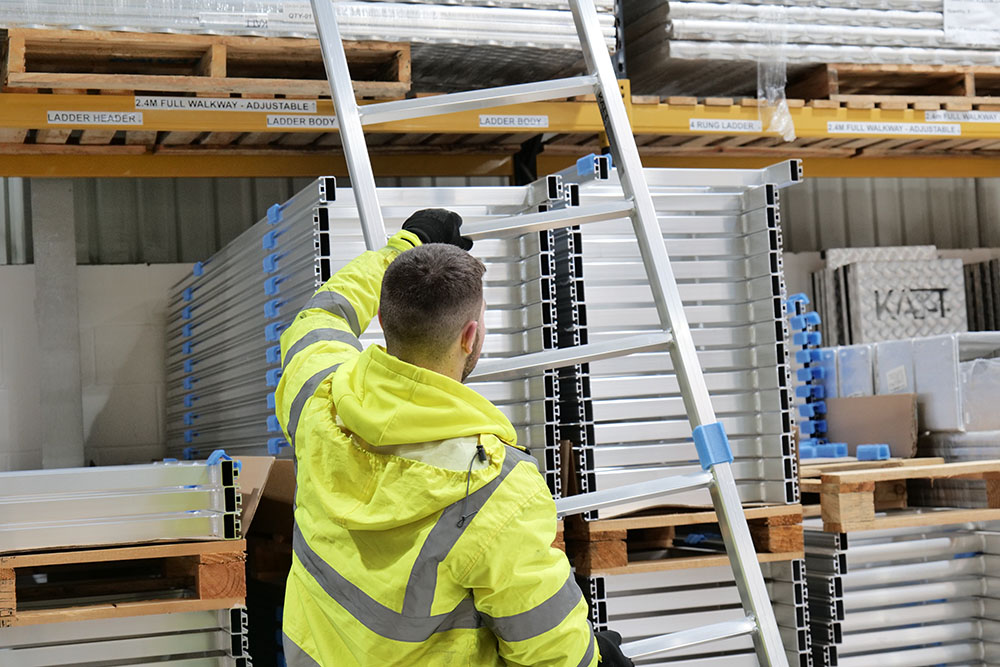
In your roof safety compliance checklist, you’ll need to include details about how people access the rooftop. The biggest issues often arise when access has not been properly designed, and people need to rely on temporary or makeshift solutions to get onto the roof.
Here are some things you need to consider:
- Are your fixed access ladders compliant with BS EN ISO 14122-4:2016 and BS 4211:2005+A1:2008, and have they been securely installed?
- Is access controlled to prevent unauthorised entry to the rooftop?
- Are designated access routes clearly defined and protected using walkways or guardrails?
Permanent roof safety solutions such as our fixed access ladders and rooftop access walkways help to reduce your reliance on temporary equipment, significantly lowering the risks present.
2) Edge protection and collective fall prevention
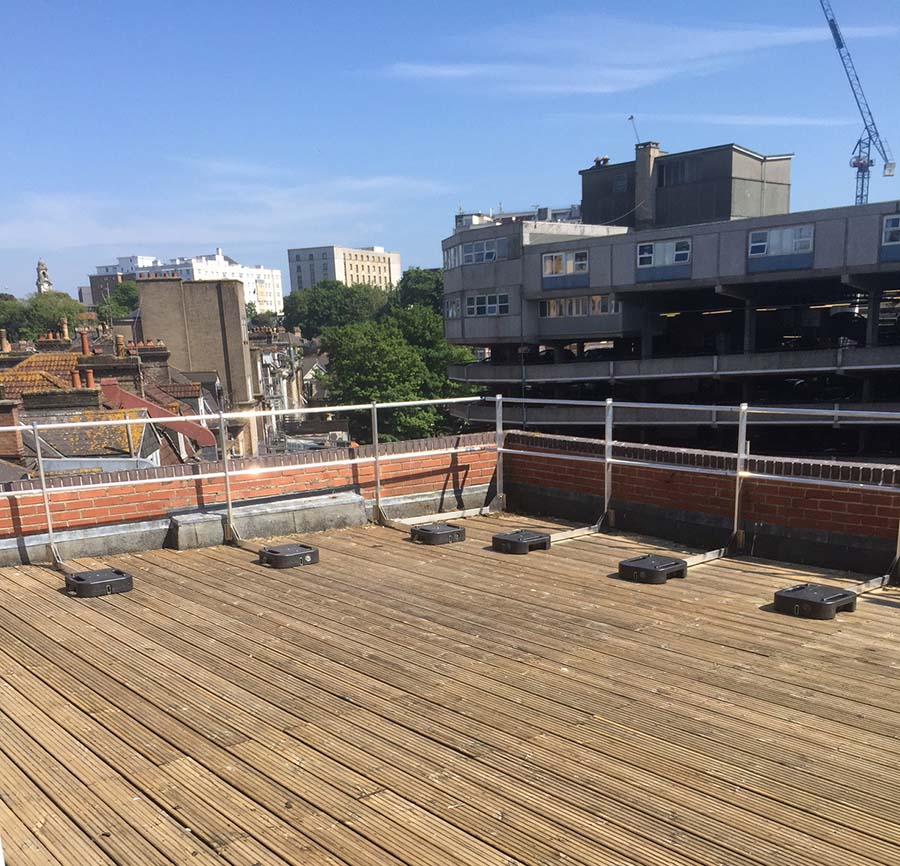
You should always prioritise collective fall protection over personal protective equipment (PPE). Your work at height checklist should clearly record whether suitable edge protection is in place on your rooftop.
Check for the following:
- Whether guardrails or parapets are present around roof perimeters and level changes
- Ensure that they comply with the relevant safety standards (e.g. BS EN ISO 14122-3:2016, BS 13700:2021 and/or BS EN 13374:2013+A1:2018 depending on the system)
- Ensure that the edge protection is in good condition and is set at the correct height
If edge protection is missing, incomplete, or non-compliant, you should rectify this immediately. Our permanent roof guardrail systems offer continuous edge protection for the safety of all personnel who are conducting work at height.
3) Fall arrest and restraint systems
If collective fall measures are not suitable for your rooftop, ensure that you include fall arrest or restraint provisions within your roof safety compliance checklist.
This could include:
- Mansafe® systems such as horizontal lifelines or anchor points
- System design suitability for the task and roof layout
- Evidence of installation certification and regular inspection
You should complete a regular roof fall protection audit to verify that your fall arrest and restraint systems used have been correctly specified, clearly identified, and supported by user training.
4) Fragile roofs and rooflights
According to the HSE, falls through fragile surfaces (particularly fibre-cement roofs and rooflights) account for 22% of all fall from height fatal injuries in the construction industry. It’s vital that your roof safety compliance checklist effectively identifies and controls these risks.
You’ll need to record:
- The presence and condition of fragile materials on the roof (e.g. asbestos cement and rooflights)
- Any warning signage and physical protection measures in place
- Safe routes that avoid fragile areas on the rooftop
You should install permanent solutions such as our skylight covers and walkway systems where necessary to provide safe, defined routes for anyone who is accessing the rooftop.
5) Walkways, surfaces, and slip resistance
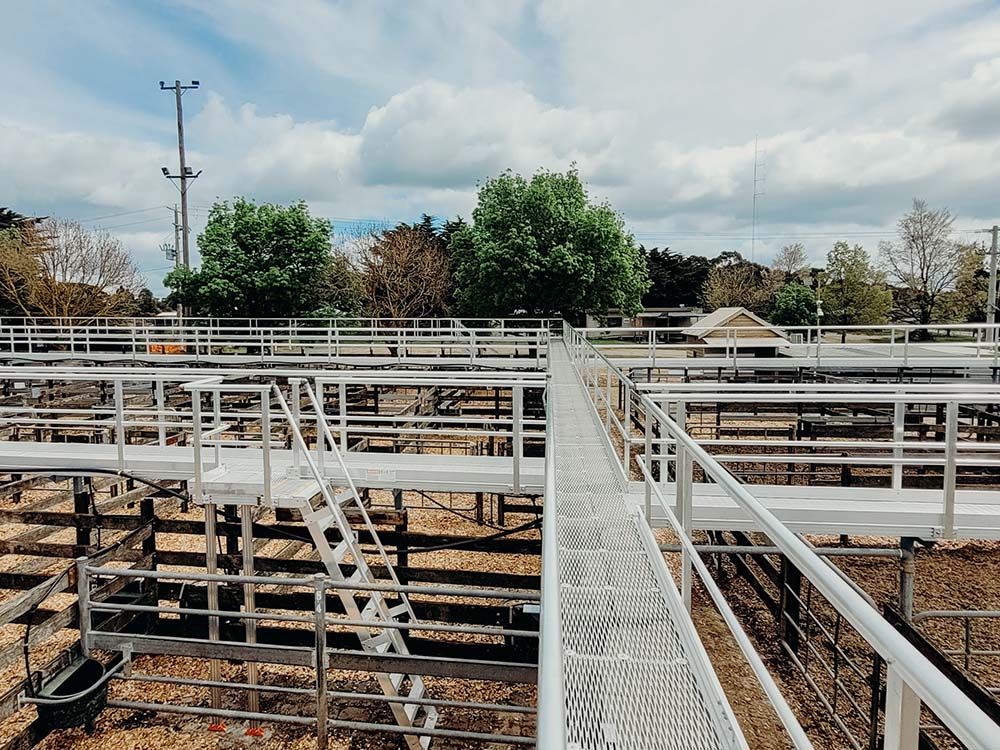
Slips and trips are often overlooked in roof risk assessments. Your roof safety compliance checklist should confirm that safe walking routes have been provided and are well-maintained.
You’ll need to assess:
- The condition and slip resistance of roof surfaces
- The use of non-slip walkway grating or mats
- The quality of drainage and any build-up of debris or moss
Our aluminium walkway systems are commonly specified for their strength, durability, and excellent slip resistance, making them ideal for long-term use in exposed rooftop environments.
6) Inspection, maintenance, and documentation
Your roof safety compliance checklist should be supported by regular inspection and clear records.
You’ll need to document:
- The frequency of inspections for your access and fall protection systems
- Who has responsibility for maintenance and remedial actions
- Whether you have completed risk assessments, method statements, and permits
This documentation is critical during safety audits and helps to demonstrate compliance with all relevant UK roof safety regulations, including The Work at Height Regulations 2005 and PUWER (Provision and Use of Work Equipment Regulations 1998).
Turning your checklist into action
A comprehensive roof safety compliance checklist helps you identify risks on the rooftop; but permanent solutions ultimately reduce those risks. We work with organisations across the UK to design and supply compliant roof safety systems that work in the real world, including fixed access ladders, roof walkway systems, skylight covers, roof guardrail systems, and modular access systems.
Not sure which solution is right for your rooftop? Contact us today and get ready to turn your checklist into action.
FAQs
What is a roof safety compliance checklist?
A roof safety compliance checklist is a structured document that’s used to assess roof access, fall protection, and hazards. It helps you demonstrate compliance with The Work at Height Regulations 2005 and manage ongoing risks.
Who should use a work at height checklist?
Work at height checklists are most commonly used by health and safety officers, facilities managers, and building owners who are responsible for maintaining safe access to rooftops.
How often should roof safety be audited?
A roof fall protection audit should be carried out regularly. They are typically completed on an annual basis, or whenever significant changes have been made to the roof, access arrangements, or equipment.
What are the key UK roof safety regulations?
The primary UK roof safety regulation is The Work at Height Regulations 2005, supported by relevant British and European standards such as EN 14122 and EN 13374.