Working around skylights is far more dangerous than many facilities teams realise. The HSE consistently reports a significant number of deaths and life-changing injuries linked to fragile surfaces, with factors like brittle roof materials and ageing rooflights all increasing the risks of fatal falls on rooftops. Skylight fall protection, including skylight safety covers, help to eliminate these risks and protect anyone who’s accessing your roof – here’s how…
Are your skylights as safe as they look?
Rooflights usually appear solid from ground level. But up close, they’re often one of the weakest points on the rooftop. Just a single step in the wrong place can lead to an unexpected fall through a brittle or degraded rooflight, leading to serious injury or even death. In fact, the HSE reports that falls through fragile surfaces (particularly rooflights) account for 22% of all fall from height fatal injuries in the construction industry, which highlights just how frequently accidents occur.
Beyond the human cost, these incidents can also result in substantial financial penalties for employers. As reported in this recent case by the BBC, a construction company was fined £33,500 after a worker fell through an unprotected skylight opening. Cases like this serve as a stark reminder that failing to provide adequate skylight fall protection can also carry serious legal and financial consequences for businesses.
Regardless of which type of facility you manage, it’s vital that you understand the hazards skylights present. Here are some of the hidden dangers to look out for.
Why skylights are a hidden fall hazard
The silent threat of brittle roofs
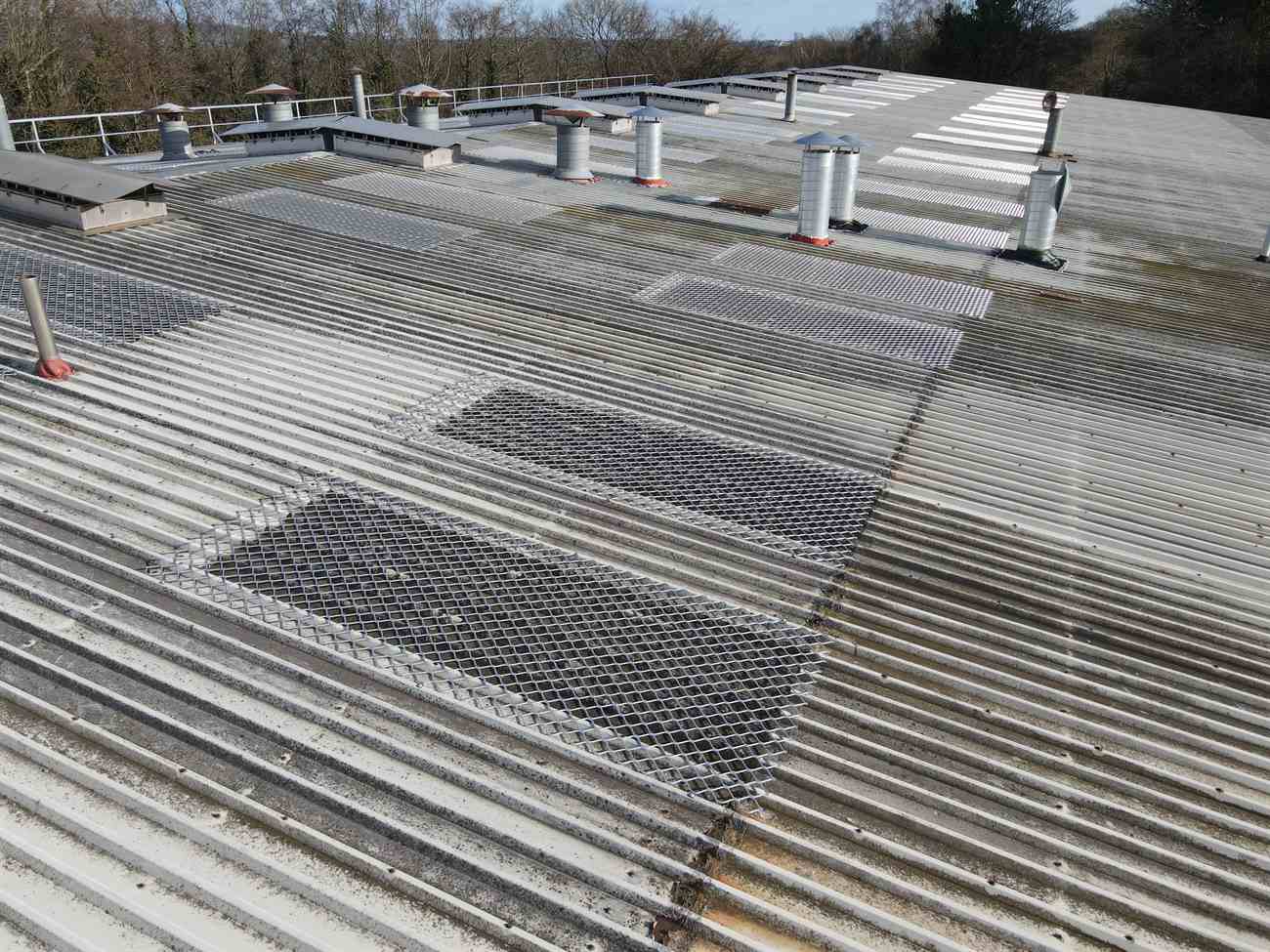
Many roofs, particularly on older warehouses and industrial buildings, use fibre-cement or polycarbonate skylights. These materials degrade over time, becoming brittle and unable to withstand the weight of just a single person. Weather exposure, UV breakdown, age, and accidental damage can all reduce the strength of a rooflight long before it becomes visibly unsafe.
Poor visibility increases the danger
Another hazard associated with rooflights is visibility. Dirt, moss, and discolouration can cover skylights entirely, meaning your workers may not even realise they’re standing on one. When staff are carrying out maintenance tasks like cleaning gutters, inspecting plant, or servicing rooftop equipment, they’re often focused on the task in front of them, not on what they’re walking on – which makes unprotected skylights especially risky.
Common errors that lead to skylight accidents
Even businesses with stringent safety measures in place make simple mistakes that dramatically increase the risk of falls through rooflights. Here are some of the common errors we see time and time again:
- Assuming that skylights are load-bearing
- Using temporary boards or makeshift skylight covers
- Relying on perimeter edge protection but ignoring the mid-roof hazards
- Allowing untrained staff to access the rooftop
- Failing to inspect older rooflights for signs of brittleness
Types of skylight fall protection systems
There are several types of skylight fall protection systems that help to eliminate these risks, including:
Skylight mesh covers
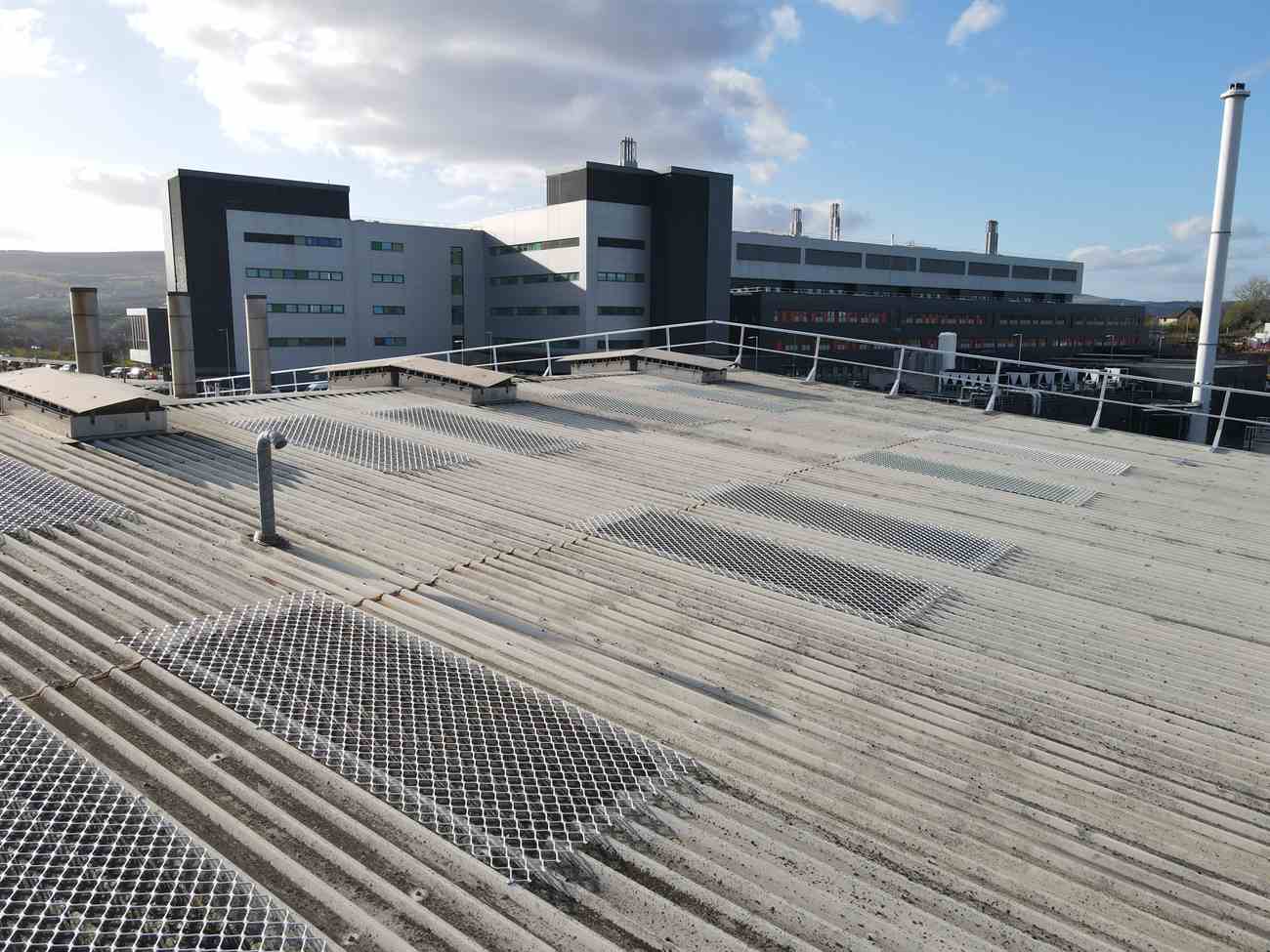
Skylight mesh covers are a durable, high-visibility solution that’s designed to sit over the rooflight. The mesh provides a strong protective barrier, without impacting the air or light flow into the building. They’re ideal if you’re looking for a long-term safety solution with minimal disruption to roof performance.
Solid or framed skylight covers
These types of skylight covers are manufactured from rigid steel framing, creating a secure barrier directly over the rooflight. They’re perfect for higher-risk environments or older rooftops where degradation is likely to occur.
Safety guardrails for rooflights
In some cases, you might want to use a freestanding or fixed guardrail system to prevent access to the rooflight area entirely. They can be used alongside skylight mesh covers to stop both accidental access and direct loading.
Protect your rooftop maintenance team with Katt Safety’s skylight covers
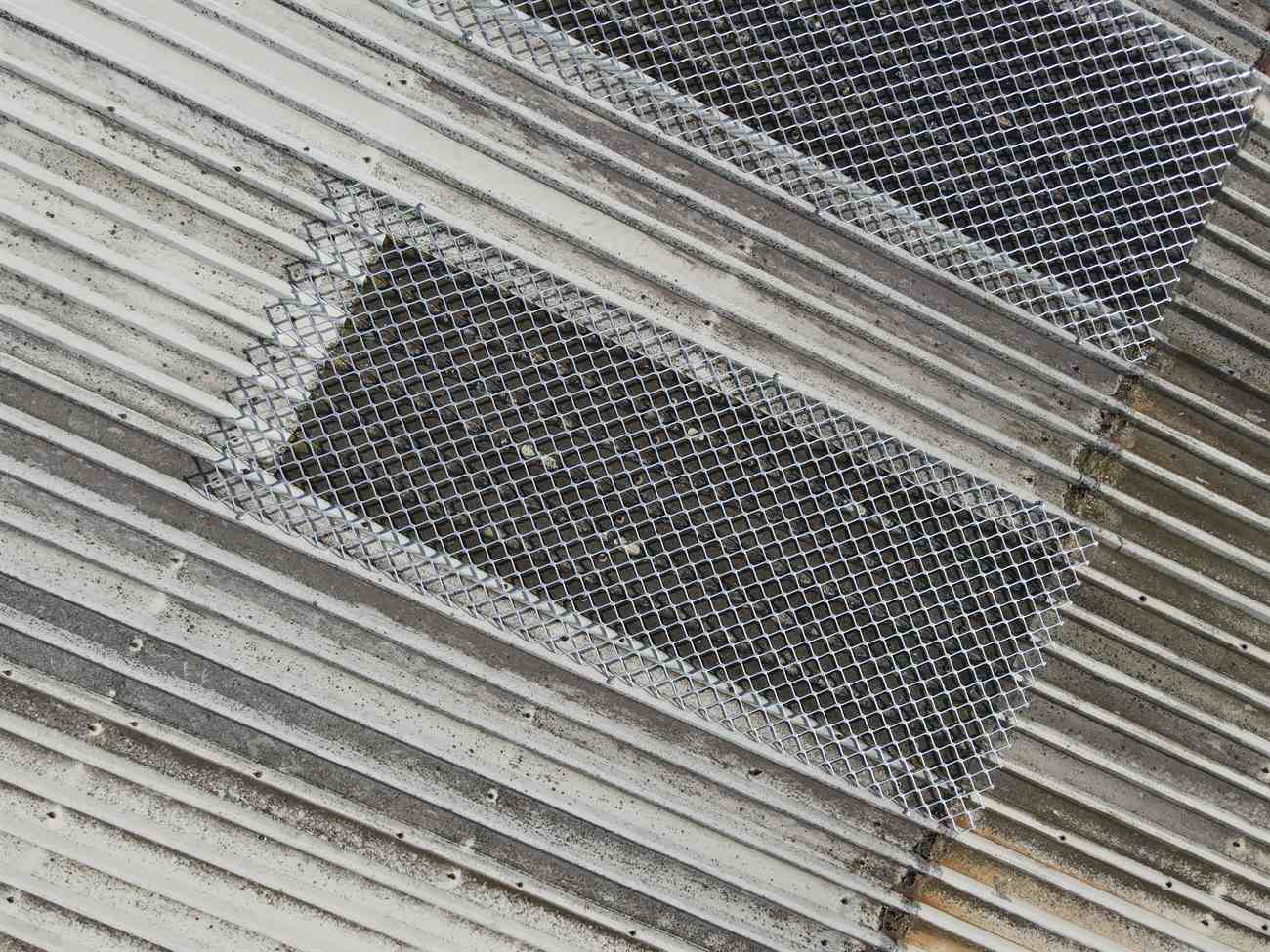
Unprotected rooflights are a risk you simply can’t afford to ignore. Katt Safety’s skylight covers provide a permanent physical barrier that’s strong enough to prevent a fall through a rooflight, even in scenarios where someone applies their full bodyweight. They’re manufactured from lightweight, non-corrosive materials, making them quick to install and easy to maintain.
The mesh panels are available in multiple configurations and sizes, and can be cut to size to suit your specific requirements. Our skylight covers work well with all types of rooflights, skylights, and brittle roof structures, helping to keep your workforce safe while working at height.
Explore our full range of skylight covers or get in touch to discuss your height safety requirements.
FAQs
Why are skylights considered fragile surfaces?
Skylights are considered fragile surfaces as they are typically manufactured from materials like fibre-cement or polycarbonate, which are not designed to support a person’s weight. Over time, UV and weather exposure can weaken the structure, making them susceptible to breaking under load.
Do all skylights require fall protection?
Yes – if there is a risk of someone accessing the roof, then the skylight must be protected. The HSE guidelines make it clear that dutyholders must prevent falls through fragile surfaces, and skylights are specifically highlighted as a major risk point.
Can skylight covers be installed on older roofs?
Yes, skylight covers can be installed on most older roofs, including those made from fibre-cement or steel. You may need to commission a professional site assessment to ensure that the fixings and support structures won’t damage your roof.