The short answer:
Rooflight covers provide effective skylight fall protection, provided they have been designed, load tested, and installed in line with your roof’s condition and structure. The safest skylight protection covers are lightweight, durable, correctly fixed, and inspected at suitable intervals. However, it’s vital that you never use them as storage platforms or treat them as a substitute for risk assessments and appropriate fall protection controls, as this could impact the safety of the system and put your workforce at risk.
Rooflights are one of the most overlooked fall hazards on a roof. They may appear solid and secure from ground level – but in reality, the materials can quickly age, especially when exposed to harsh weather conditions, which impacts how safe they are to work around.
HSE data suggests that falls through fragile surfaces, including rooflights, account for 22% of all fall from height fatal injuries in the construction industry. This is exactly why you should include rooflight covers as part of your wider fall protection strategy.
But as with any working at height product, it’s not enough to just install a skylight protection cover. You need to ensure that the product is right for your roof and has been specified, tested, fitted, and maintained correctly.
In today’s blog, we explore everything you need to know about rooflight cover safety, so you can keep your workforce safe and reduce unnecessary risk.
Why do rooflights need protection?
Rooflights and skylights are designed to let natural light into a building. But it’s important to recognise that they’re not designed to act as safe working surfaces. Even if a rooflight has been originally classified as non-fragile, its condition can deteriorate over time due to UV exposure, weathering, impact damage, poor maintenance, or alterations to the roof layout.
This creates a serious risk for anyone who needs to access the roof for inspections, cleaning, maintenance, solar PV installation, or plant servicing work. Your operatives might need to walk close to rooflights, step around obstructions, or work within poor-visibility areas – and without suitable skylight protection covers, a slip, trip, or misstep could have severe consequences.
A recent HSE prosecution shows just how serious this risk can be. In June 2026, two construction companies were fined £79,300 after a scaffolder suffered serious injuries when he fell over six metres through a skylight. The principal contractor had failed to properly plan the work at height or put measures in place to prevent a fall, which reinforces why rooflight hazards need to be identified and controlled before any work begins.
So, how safe are rooflight covers?
Rooflight covers can be a safe and effective form of skylight protection, provided the right system has been specified, tested, installed, and maintained correctly. Their performance depends on several key factors, including:
Tested for impact performance
Rooflight covers should be properly tested to show that they can withstand the type of impact they are designed to protect against.
At Katt Safety, our rooflight protection covers have been correctly load tested to simulate the impact of a falling person or object. This confirms that our system will protect operatives who are working near rooflights – provided it is installed and used correctly.
Designed for long-term use

Durability is just as important as initial performance. A rooflight cover must be able to withstand the conditions found on commercial and industrial roofs, including exposure to harsh weather conditions and regular access requirements.
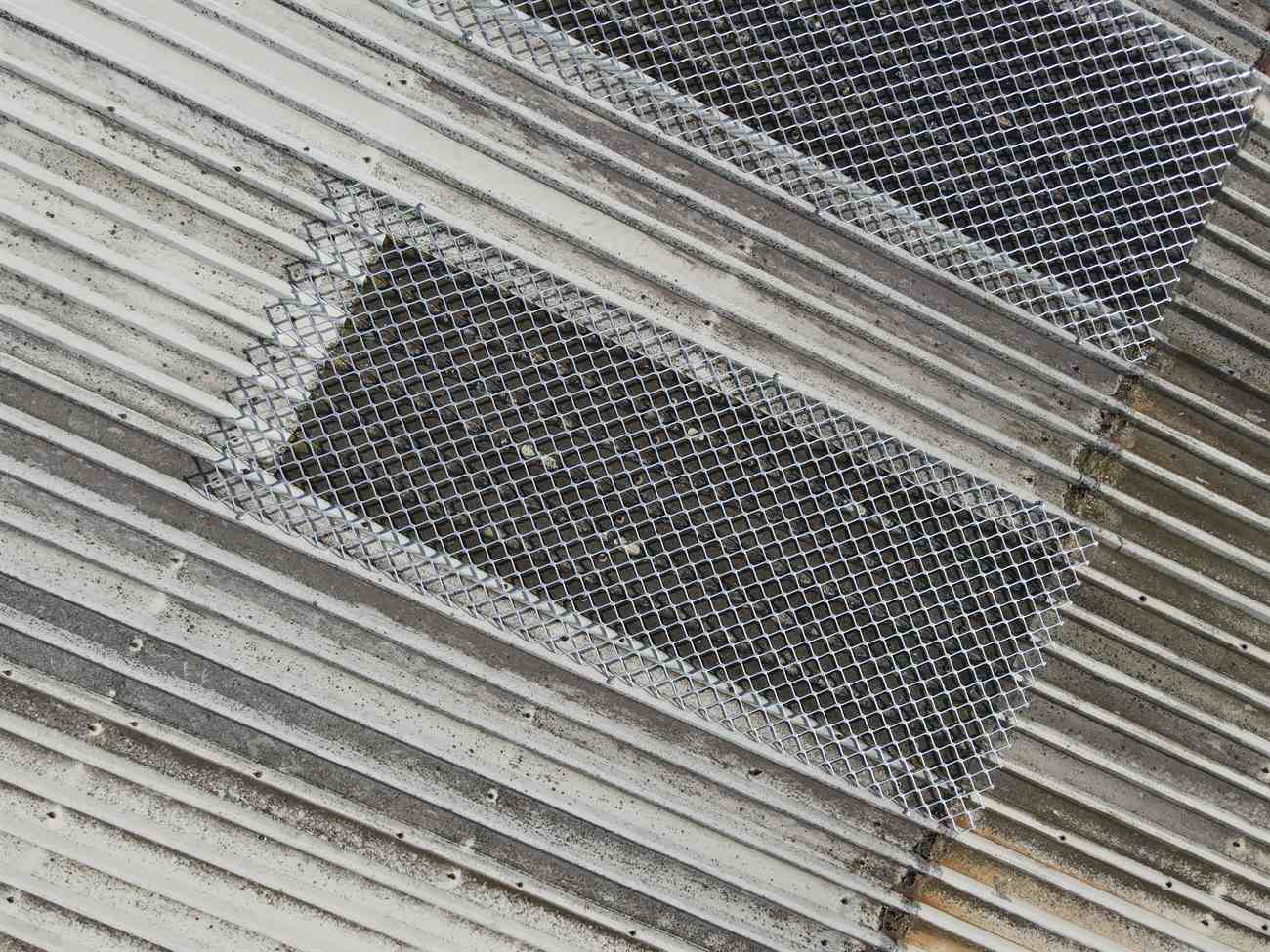
Our skylight protection covers are made from high-quality aluminium, giving them a strong, lightweight, and durable profile. This ensures that our system will stand the test of time, while also reducing unnecessary additional load on the roof structure. Our skylight mesh is also designed to allow up to 90% light transmission, helping to maintain natural daylight levels while still providing effective skylight fall protection.
Checked before installation begins
Before any work starts, your roof should be reviewed by a certified installer to check that the cover can be installed safely and correctly. They should check:
- The condition of the roof and rooflights
- The rooflight position and surrounding access routes
- Crown spacings
- Suitable fixing points
- The tools and method needed for installation
- Any wider roof access risks
Your installer should also follow the appropriate method statement and complete a full risk assessment before carrying out the work.
Installed without compromising the roof
A rooflight cover can only perform as intended if it is fitted correctly. Poor installation can create a number of issues, including:
- Water ingress
- Damaged roof sheets
- Compromised rooflights
- Penetrations through sensitive areas
- Poorly sealed fixings
Our rooflight covers are supplied with all the parts you need to create a sealed fixing, including EPDM pads and 8mm bulb-tite rivets. We recommend fixing the back of the cover to the roof crowns rather than through the skylight itself. Where needed, we can also offer bracing supports that allow the cover to be fixed into the next roof crown either side of the rooflight, subject to confirmation of crown spacings.
Maintained throughout its service life
Rooflight covers should never be fitted and forgotten. Like any fall protection product, you need to inspect them regularly to confirm they remain secure and suitable for use.
Most systems need to be inspected on an annual basis to ensure that the fixings, seals, and cover integrity are still performing as expected. Depending on your site conditions, roof use, exposure, and risk level, you may need to reduce this to six-monthly or even three-monthly intervals.
Used as part of a wider roof safety strategy
Rooflight covers should always sit alongside other roof access controls. If your operatives are working within two metres of a fall risk then they will need suitable protection measures, such as certified anchorage, edge protection, safe access routes, and a rescue plan (where required).
A rooflight cover is an important part of your roof safety strategy – but it should never replace correct planning, safe systems of work, or proper training.
Safe and secure rooflight protection covers from Katt Safety
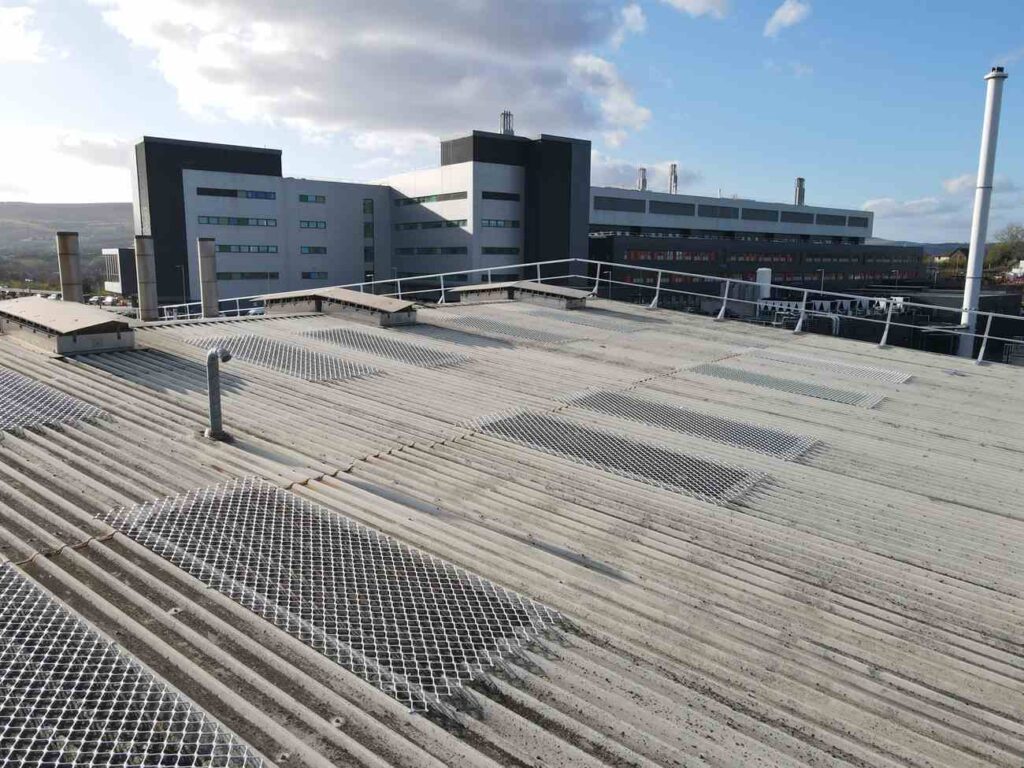
At Katt Safety, we supply safe and secure rooflight protection covers that are designed to protect your workforce when working on rooftops. Our flat skylight covers are available in multiple sizes and configurations to suit your site requirements, and we can even offer custom sizes if you need something bespoke.
Not sure which system you need? Our expert team can help you assess your roof layout and choose a solution that works around your site’s specific hazards. Get in touch to discuss your roof safety needs.
FAQs
Do rooflight covers stop people falling through skylights?
Rooflight covers are designed to reduce the risk of a person or object from falling through a fragile rooflight – provided the cover is suitable for the roof and has been specified, installed, and maintained correctly.
Can I walk on a skylight cover?
No, skylight covers should not be used as walkways, working platforms, or access routes. They are designed for fall protection, not as a trafficable surface. If regular access is needed across the roof, then you should specify a dedicated rooftop walkway system.
How often should skylight protection covers be inspected?
Skylight protection covers should be inspected and rectified at intervals no greater than 12 months. However, higher-risk sites may require inspections every six or three months.
Can rooflight covers be fixed through a skylight?
Katt Safety recommends fixing the rooflight cover to the roof crowns rather than through the skylight itself. Bracing options may also be available depending on the crown spacings.
Can rooflight covers be used to store tools?
No, rooflight covers should never be used as platforms or storage areas. They are fall protection products and should be treated as part of a wider roof safety system.