
Key takeaways:
If you manage or operate an intralogistics facility, your personnel are likely dealing with a range of access hazards every day – from conveyor systems and cable routes to mezzanine levels and maintenance zones. If you don’t have clear access routes in place, you may be putting your team and your operations at risk. Industrial walkways and access systems give you a clear and compliant way to separate people from hazards, which helps to reduce fall risks and improve the efficiency of your operations, while also ensuring you meet the relevant UK safety standards.
Are your maintenance teams stepping over conveyors or navigating unclear routes to get around your facility? All it takes is one weak point, like a missing walkway or an unsafe shortcut, to put your workforce’s safety at risk and slow down your operations. And as your site evolves, those risks only increase.
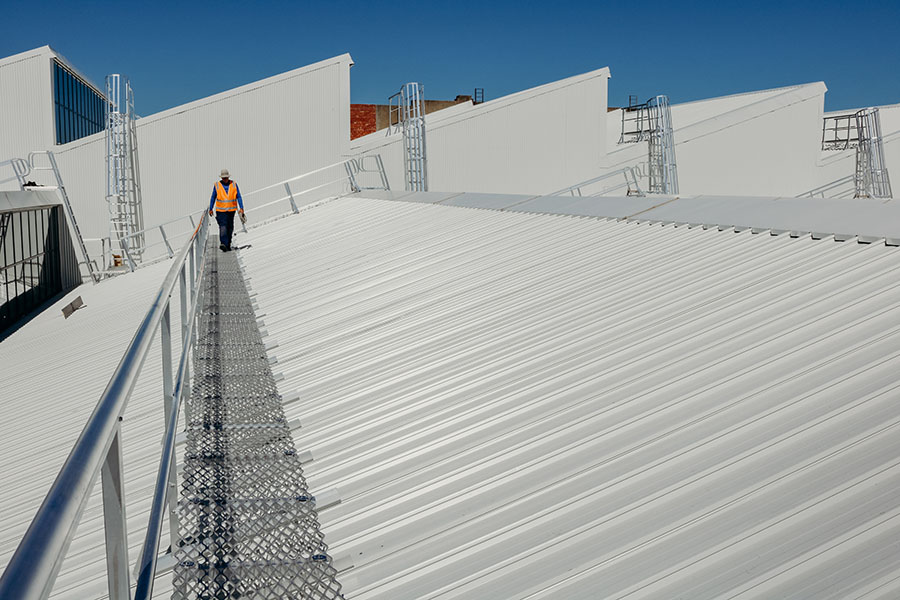
Properly designed industrial walkways and access platforms make a real difference in intralogistics facilities. They give you control over how people move through your site, which helps to safeguard your team and reduce costly disruption. Here’s how our walkways, step overs, guardrails, and fixed access platforms can improve safety across your site.
Why safe access is critical in intralogistics
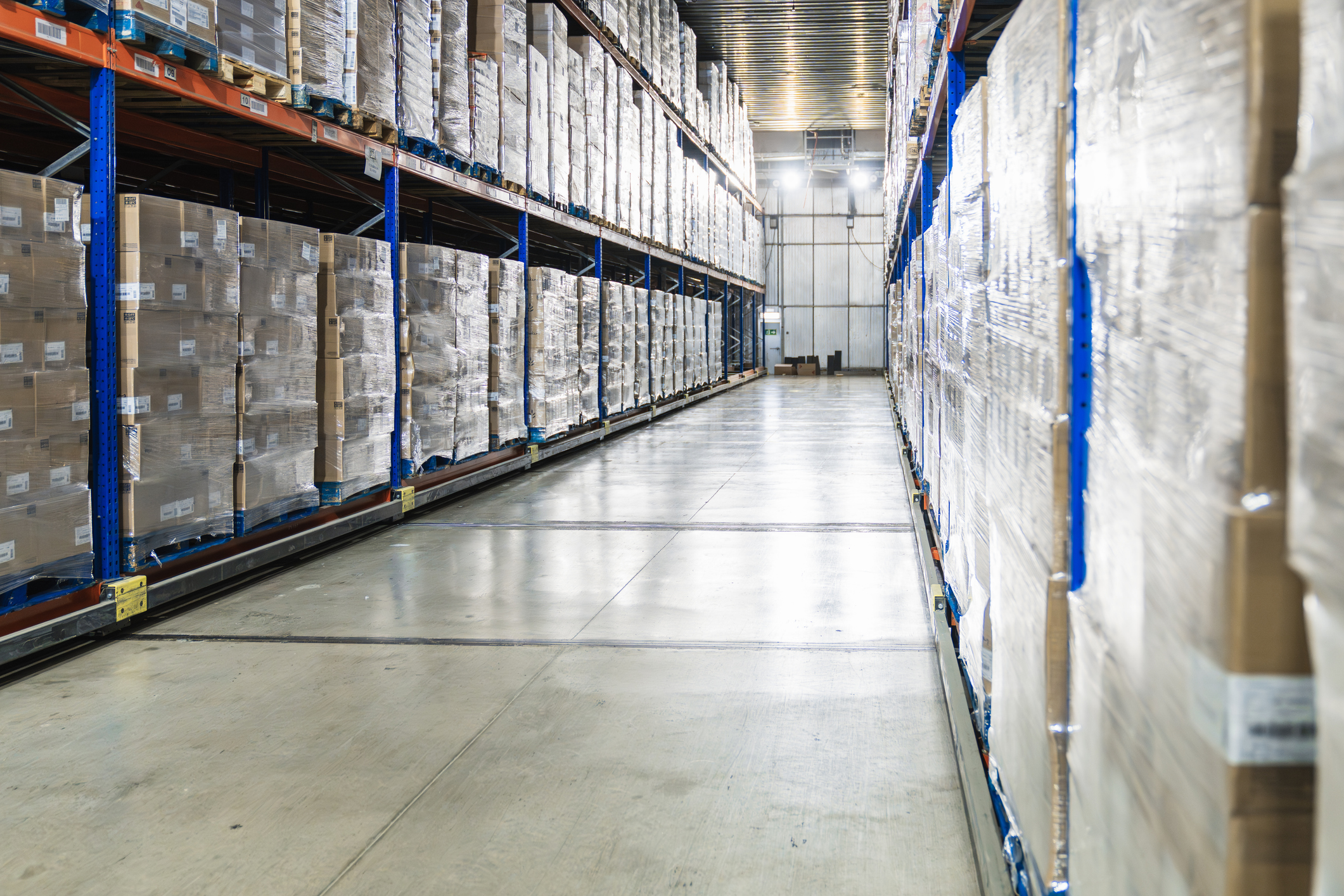
Intralogistics environments are never static. Every time your layout changes or you upgrade your equipment, you’re introducing new risks on site. This could mean that:
- Your teams are taking shortcuts over conveyors or pipework to save time
- Your maintenance staff are accessing elevated machinery without a safe, designated platform
- Your pedestrian routes are becoming congested, meaning people are mixing with operations
- You see a gradual increase in slips, trips, and falls as access routes become less controlled
It’s easy to overlook these risks because they develop gradually, but the consequences can be significant. Falls from height accounted for over a quarter of all work-related fatal injuries in 2024-25, so it’s your duty to identify these hazards early and put the right controls in place before they lead to serious incidents.
What defines a safe access system?
Safe access systems in intralogistics environments actively control how people move, work, and interact with hazards across your facility. It’s not just about providing an access route from A to B; it’s about eliminating unsafe behaviours and building safety into every activity that happens on site.
That means that your access system should:
- Separate people from risk with clearly defined walkways
- Provide safe crossing points using step overs
- Enable safe work at height with fixed access platforms
- Prevent falls from height with guardrails and edge protection
Effective systems typically combine several core components, like industrial walkways, stepovers, fixed access platforms, and guardrail systems, that all work together to create a fully controlled access strategy across your site. The solution should be modular, lightweight, and designed to adapt around your existing equipment, so your team can maintain safe access without disrupting your operations.
Here’s how we can help you design a solution that fits around your common site hazards.
Designing access systems around your intralogistics hazards
Conveyors and moving equipment
The problem:
Conveyor systems are essential for intralogistics operations, but they often create uncontrolled crossing points. If there’s no defined route, your personnel may need to step over conveyors or navigate around moving equipment, which increases the risk of your team tripping and coming into contact with moving points.
The solution:
We can help you introduce purpose-built step overs exactly where crossings are needed, creating safe and compliant routes that fit around your conveyor layout. With integrated handrails and anti-slip treads, they remove the need for unsafe shortcuts while helping to maintain efficient movement across your facility.
Read more about how we helped H&M solve this exact issue in our case study.
Elevated plant and maintenance areas
The problem:
Your maintenance teams will regularly need to access machinery at height – but if you don’t have a fixed solution in place, they’ll need to rely on temporary equipment like ladders or mobile steps, or they may even need to climb directly onto machinery. This increases the risk of falls from height and slows down the efficiency of these tasks.
The solution:
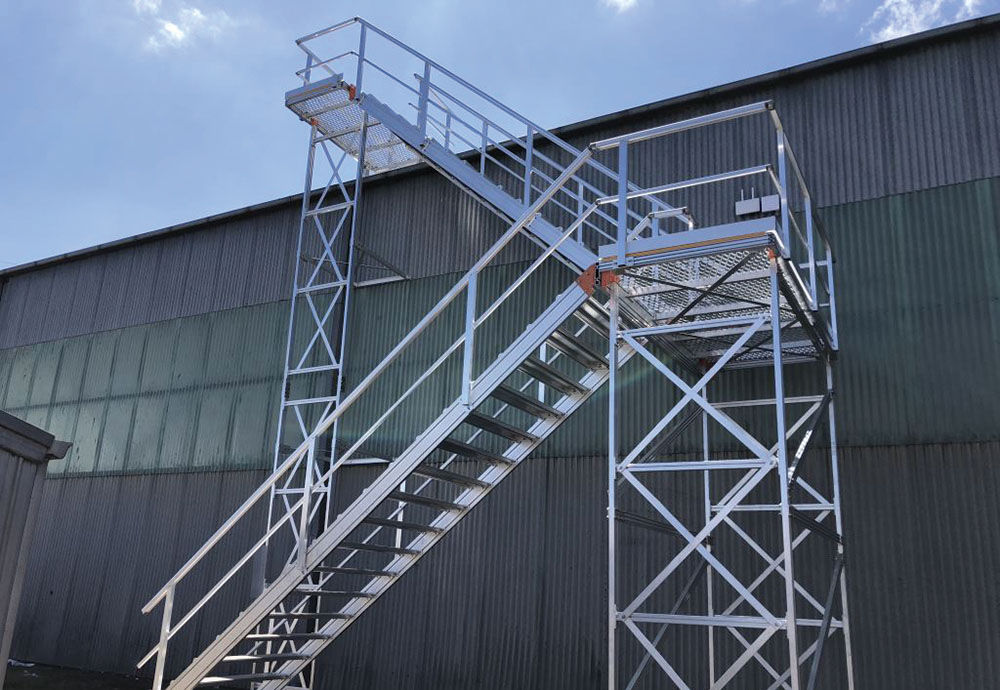
We’ll work with you to design fixed access platforms that are specifically tailored to your equipment and working environment. Our modular platforms help to create stable working areas with full edge protection, allowing your teams to carry out maintenance tasks safely without having to rely on temporary measures.
Cable routes, pipework, and obstructions

The problem:
Cables, pipework, and services often run through key access areas in intralogistics facilities, which creates trip hazards and forces your workers to navigate awkward or inconsistent routes. This not only increases the risk of slips, trips, and falls, but can also damage your infrastructure over time.
The solution:
We can help you design raised industrial walkway systems that route your personnel safely over these obstacles. This creates clear and consistent access paths across your site, helping to safeguard your workforce, protect your services, and keep your layout organised and controlled.
Mezzanine edges and exposed drop risks
The problem:
Mezzanines, loading areas, and raised platforms in intralogistics facilities often introduce exposed edges. Without proper protection, your team could easily fall from these edges – particularly if they’re working in a high-traffic zone and focused on the task at hand rather than their surroundings.
The solution:
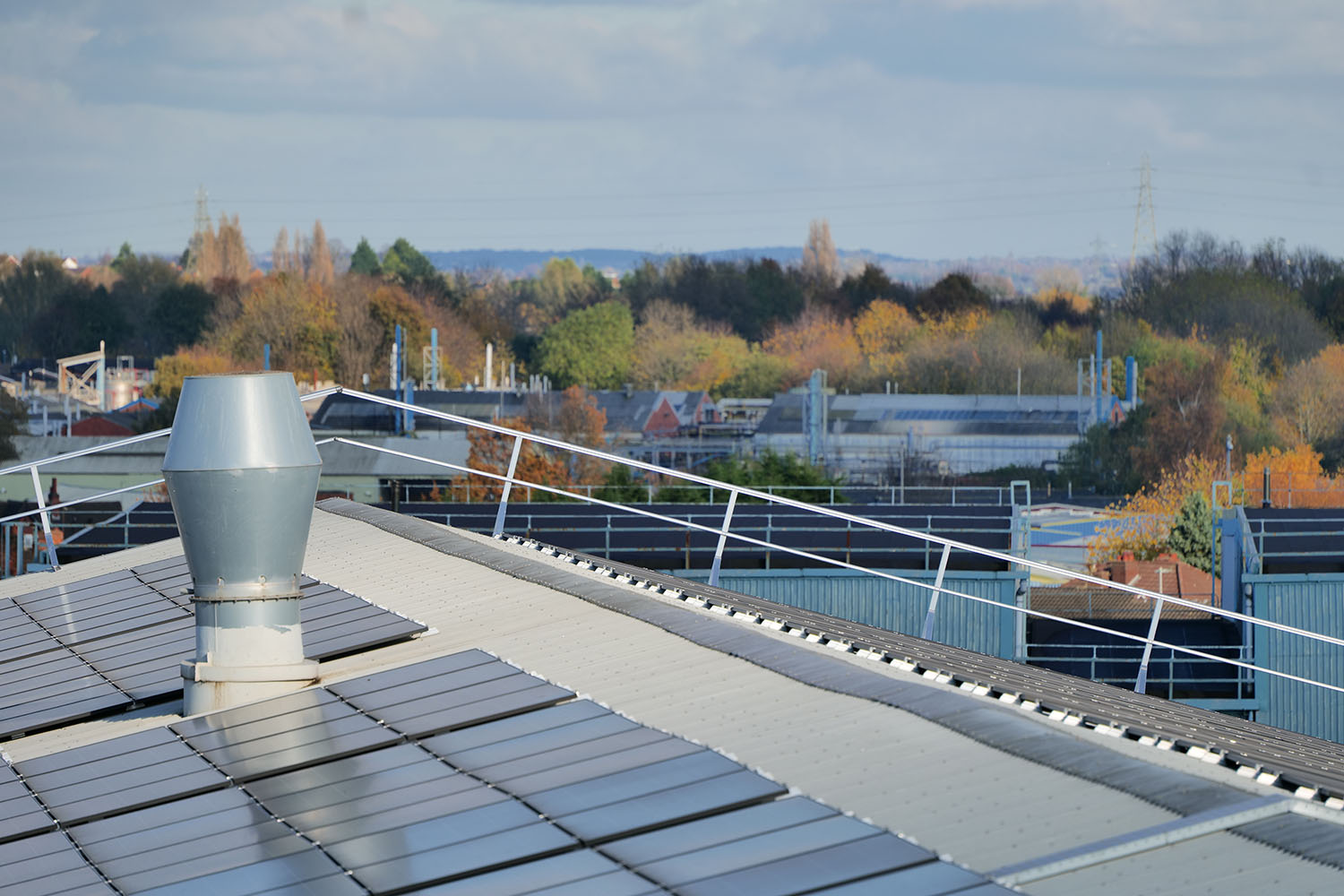
We’ll work with you to implement permanent guardrail systems that provide continuous edge protection around exposed edges. Our systems are designed to integrate with your existing layout, helping to create a physical barrier that prevents falls and allows safe, unrestricted movement across elevated areas.
Need to improve safety across your intralogistics site?
At Katt Safety, we supply a range of industrial walkways and access platforms that are engineered for demanding environments like intralogistics facilities. We’ll work with you to design a solution that addresses your specific site hazards, whether that be improving access around conveyors, creating safe maintenance zones, or clearly defining pedestrian routes.
Our walkways, step overs, fixed access platforms, and guardrails are made from high-strength aluminium and engineered to align with the BS EN ISO 14122 series and The Work at Height Regulations 2005. Our systems are modular in nature, which means they’re quick to install and can be easily adapted as your layout or equipment evolves.
Ready to get started? Contact us to discuss your requirements and we’ll help you design the ideal safe access solution for your site.
FAQs
What are industrial walkways and access platforms used for?
Walkways and access platforms are used to create safe, designated routes for maintenance workers and provide secure access to elevated or hard-to-reach areas within industrial environments.
Are step overs required for conveyor systems?
Step overs aren’t mandatory for conveyor systems, but they are widely recognised as a best practice feature to help teams safely cross conveyors and reduce the risk of accidents in intralogistics facilities.
Where are guardrails required in intralogistics facilities?
Guardrails are typically required in areas wherever there is a risk of a fall from height, such as mezzanines, loading areas, or elevated platforms, to provide continuous edge protection and prevent serious incidents.
Can walkways and access systems be customised to existing layouts?
Yes, walkways and access systems can be customised to suit existing layouts. Modular systems can be designed to fit around existing equipment and services, ensuring minimal disruption while improving overall safety and access across your site.