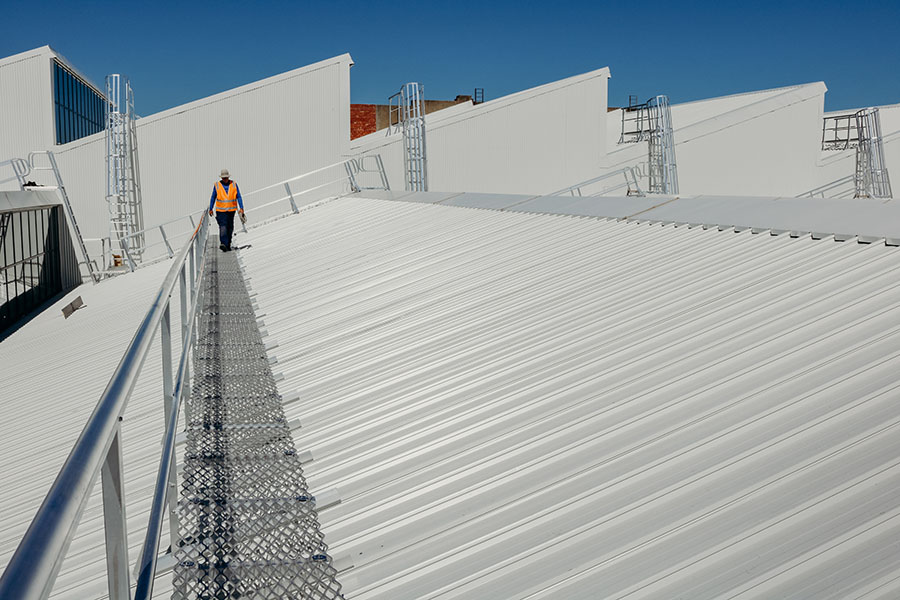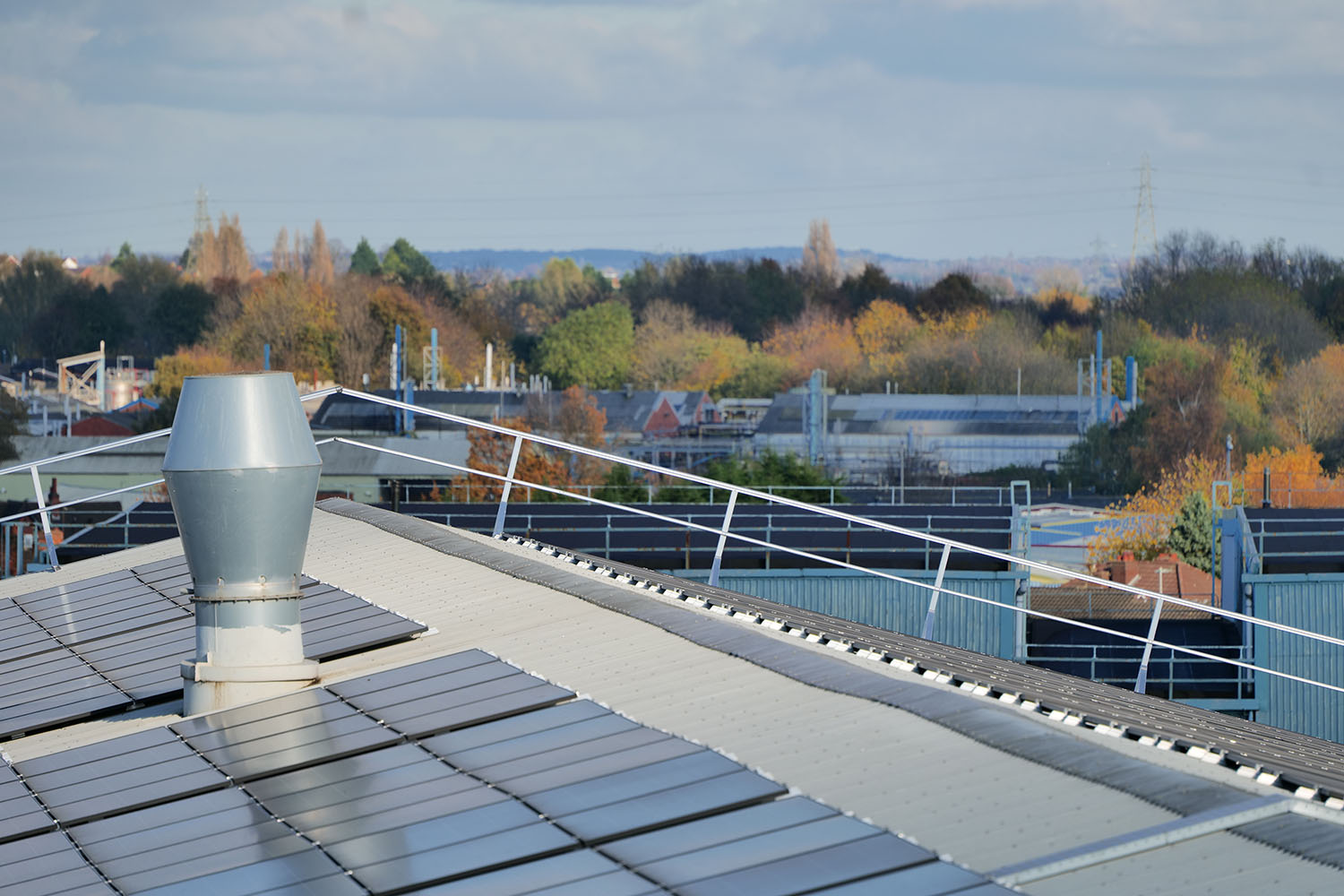
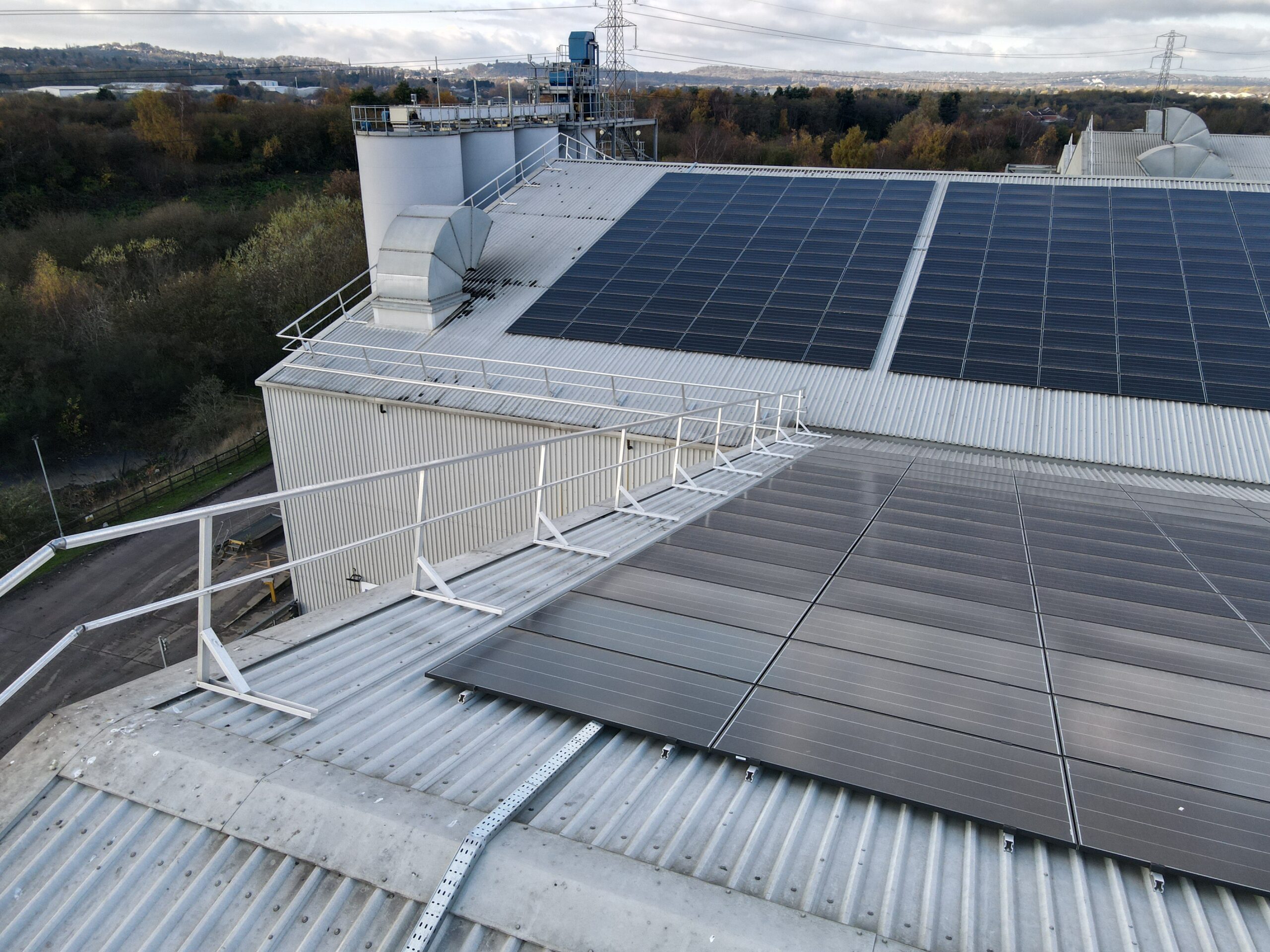
According to the HSE, roof work accounts for a quarter of all deaths in the construction industry, with falls from an unprotected edge or through fragile materials accounting for the majority of these deaths.
A roof guardrail system helps to protect everyone who’s working at height – but as with any safety system, it needs regular maintenance to continue performing at its best. With a little care and attention, you can prolong your guardrail lifespan, maintain compliance, avoid repairs or replacements, and keep your workforce safe.
We’ve created this guardrail maintenance guide to help you get the most out of your investment. Follow these simple steps below to keep your system in top condition for years to come…
Our roof guardrail maintenance guide
1) Carry out regular visual inspections
The first step in your roof guardrail upkeep routine is to carry out regular visual checks. Over time, exposure to harsh weather conditions and foot traffic can cause minor issues to the integrity of your guardrails, which can quickly become big problems if ignored.
You should inspect your guardrail system at least twice a year, once after winter and once after summer. During your inspection, look for:
- Loose fittings or fixings that might have shifted due to vibrations or thermal expansion
- Corrosion or surface wear around joints and connection points
- Build-up of debris or dirt that can trap moisture against the metal
- Signs of damage from rooftop work
Our Katt Guard permanent roof guardrail systems are built from high-grade aluminium, which naturally resists corrosion. But keeping your system free from damage will help it last even longer.
2) Tighten, test, and record
Once you’ve completed a visual inspection of your system, follow up with a quick maintenance check. Tighten any loose fixings and make sure each post and rail feels secure.
Keep a simple maintenance record log noting the date, findings of the inspection, and any adjustments you’ve made. This helps you spot patterns of wear over time, and provides valuable evidence that can be used to demonstrate compliance with The Work at Height Regulations 2005. If you undergo routine safety audits, this documentation shows your commitment to maintaining a safe work environment, which helps to reduce liability and build trust with your team and stakeholders.
3) Keep your system clean and clear
A clean guardrail system is a long-lasting guardrail system. Dirt, moss, bird droppings, and other contaminants can shorten the lifespan of your guardrail, especially in coastal or industrial areas.
You should occasionally wash the system down with a mixture of mild detergent and water. Never use abrasive tools or harsh chemicals, as they might damage the finish of the system. Aluminium is exceptionally durable, but maintaining a clean, smooth surface helps ensure continued corrosion resistance. And if your guardrail connects to other safety equipment, like a roof walkway system, make sure that the area around it stays free from debris or trip hazards.
4) Inspect your guardrails after any roof work
You should always carry out a post-work inspection after anyone has been working on your roof. It can be easy for someone to move or lean on a section of guardrail and accidentally damage it without realising.
After any maintenance, refurbishment, or installation work has been carried out, check that your guardrail system is still intact and properly reassembled. If you notice any damage, contact us to arrange an inspection and we will help find a solution. One of our expert team members will visit your site and fix your system if it’s repairable, or we can send replacement parts for you to repair the system yourself.
5) Book professional re-certification
It’s important to have your system assessed by a certified fall protection specialist. A professional inspection will ensure that your guardrail is compliant with the latest standards and help to identify any hidden issues before they develop into costly problems.
We recommend booking your professional re-certification on a yearly basis as part of your facility’s annual safety plan. If your site is exposed to harsh environmental conditions, you should complete this step more often. We can support you with professional inspections to keep your system working at its best – contact us for more information.
6) Train your team
Your system is only as effective as the people using it. It’s really important that your staff and contractors understand how to use your fall protection systems properly, and that they respect them, too.
Provide regular training sessions on:
- How to spot signs of damage or movement
- The importance of load limits and correct use
- How and when to report any defects
This builds awareness and accountability across your team, and reduces the likelihood of accidental damage to your equipment.
Keep your guardrails in tip-top shape with Katt Safety
Our range of Katt Guard modular, high-strength aluminium roof guardrail systems are exceptionally easy to install and maintain – but a bit of regular upkeep never goes amiss. By following our guardrail maintenance guide, you can ensure that your system continues to perform at its best; protecting your people, your compliance record, and your budget.
Still have questions about roof guardrail upkeep? Get in touch for more advice on maintaining your guardrail system.
FAQs
1) How often should I inspect my guardrail system?
You should inspect your guardrail system at least twice a year, ideally once after winter and once after summer. Inspections must not exceed 12 month intervals. However, quarterly checks are recommended if your site is exposed to harsh weather or heavy rooftop foot traffic.
2) Do I need a professional inspection even if my guardrail looks fine?
Yes. A certified inspection ensures that your system remains compliant with UK safety standards and can reveal hidden issues that aren’t always visible during a visual check, such as corrosion or loose components.
3) What cleaning products are safe to use on aluminium guardrails?
Only use mild detergent and water to clean your guardrails. Avoid using harsh chemicals, acids, or abrasive tools, as they could damage the aluminium finish. A simple wipe-down with a soft cloth helps to prevent corrosion and keeps your system looking professional.
4) How can I tell if my guardrail system needs replacing?
Visually inspect the system and look for signs such as bending, cracked joints, or loose fixings that no longer tighten properly. If you’re unsure, contact Katt Safety for a professional assessment. We can help you determine whether a repair or replacement is needed.